Older cars have plenty of character, but their original headlights are not always one of their strongest features. If you regularly drive an older vehicle at night, you may have noticed that factory halogen headlights provide limited visibility, particularly on poorly lit roads, rural highways, and during bad weather. As headlight technology continues to improve, switching from traditional halogen bulbs to LED alternatives has become an increasingly popular upgrade.
For vehicles equipped with 9004/HB1 headlights, LED replacement bulbs offer an opportunity to improve illumination, modernize the appearance of the vehicle, and potentially reduce the frequency of bulb replacements. However, choosing the right product requires more than looking for the highest lumen rating or the lowest price.
This guide explores what to consider when buying 9004/HB1 LED headlight bulbs in 2026, the features that matter most for older vehicles, and some SEALIGHT options worth considering.
Understanding 9004/HB1 Headlight Bulbs
Before purchasing an LED upgrade, it is important to understand what the 9004/HB1 designation means.
The 9004 bulb, also known as HB1, is a dual-filament halogen headlight bulb traditionally used in the headlight systems of various older cars, trucks, and SUVs. Its dual-filament construction allows one bulb to provide both low-beam and high-beam lighting.
Many older American vehicles were equipped with 9004 headlights, making this bulb size particularly relevant to owners who want to preserve their original headlight assemblies while improving their lighting performance.
When shopping for replacement bulbs, remember that 9004 and HB1 refer to the same general bulb category. However, they are not interchangeable with every other headlight bulb size. A 9005, 9006, 9007, or H4 bulb, for example, has different specifications and connections.
Always check the original bulb number, owner’s manual, or vehicle fitment information before ordering an LED replacement.
Why Upgrade Older Cars to 9004 LED Headlight Bulbs in 2026?
There are several reasons why an LED conversion can make sense for an older vehicle.
1. Improved Nighttime Visibility
Traditional halogen bulbs produce light by heating a filament. Over time, their output can become less effective, and older headlight assemblies may also suffer from cloudy lenses, damaged reflectors, or deteriorating components.
Modern LED bulbs use semiconductor technology to generate illumination. Quality 9004 LED replacements can provide brighter-looking, more defined white light than aging halogen bulbs.
This can make road signs, lane markings, pedestrians, and potential obstacles easier to notice at night, provided the LED bulb produces a suitable beam pattern in the vehicle’s headlight housing.
2. A More Modern Lighting Appearance
Older vehicles often have a warm, yellowish headlight appearance because of their original halogen bulbs. LED replacements commonly produce a cooler white light, with many models offering a color temperature around 6000K to 6500K.
This gives an older car a more contemporary appearance without requiring an expensive headlight assembly conversion.
3. Potentially Longer Service Life
Frequent bulb replacement can be inconvenient, particularly when the headlight assembly is difficult to access.
Many LED manufacturers advertise substantially longer service lives than conventional halogen bulbs. However, actual longevity depends on operating temperature, cooling performance, electrical stability, and product quality.
A well-designed LED bulb with effective thermal management can be a worthwhile long-term investment.
4. Efficient Power Consumption
LED technology can provide substantial light output without necessarily requiring the same electrical power as a traditional halogen system.
For older vehicles, this may be useful when considering electrical system capacity. Nevertheless, buyers should always compare actual wattage specifications and ensure the replacement is compatible with the vehicle’s electrical system.
What to Look for When Buying the Best 9004/HB1 LED Headlight Bulbs
Not all LED headlight bulbs deliver the same performance. Here are the most important considerations when comparing products.
1. Brightness and Actual Light Output
Brightness is one of the first specifications buyers notice. Manufacturers usually advertise LED output in lumens, but the highest advertised number does not automatically indicate the best headlight performance.
A bulb needs to distribute light correctly across the road. A poorly designed high-output bulb can produce excessive glare without meaningfully improving useful forward visibility.
When comparing the brightest 9004 LED headlight bulbs, look beyond the headline lumen figure. Consider the optical design, chip placement, beam focus, and real-world performance in a compatible headlight housing.
2. Beam Pattern and Cutoff Quality
Beam pattern is especially important when upgrading older cars.
Many older vehicles use reflector-style headlight assemblies designed around the position of a halogen filament. If an LED replacement places its light-emitting chips incorrectly, it can scatter light in unintended directions.
The result may be dark areas on the road or excessive glare for approaching drivers.
Look for bulbs designed to replicate the original halogen filament position and produce a controlled beam pattern. After installation, check the headlight alignment and verify that the low beams do not create excessive glare.
3. Color Temperature
Most modern LED headlight replacements produce cool white light.
A color temperature between 5000K and 6500K is common in the aftermarket. Around 6000K to 6500K gives headlights a crisp white appearance, while warmer options may be more comfortable for some drivers in adverse weather.
The best choice depends on personal preference, road conditions, and the quality of the beam itself. A higher Kelvin rating does not necessarily mean greater brightness.
4. Cooling Technology
Heat management is essential for LED longevity.
Although LEDs are efficient, their electronic components still generate heat. Excessive temperatures can reduce performance and shorten the lifespan of the bulb.
Look for features such as:
- Aluminum heat sinks for heat dissipation.
- Copper components that help transfer heat.
- Built-in cooling fans where appropriate.
- Temperature-control systems.
- Compact designs that allow adequate airflow.
The cooling system should be appropriate for the bulb’s power output and the available space inside the headlight housing.
5. Vehicle Compatibility and CANbus Performance
Older vehicles may have simpler electrical systems than modern cars, but compatibility should never be assumed.
Some vehicles can experience flickering, radio interference, unexpected bulb warnings, or other electrical issues after an LED conversion.
CANbus-ready designs can help reduce compatibility problems, although they do not guarantee universal compatibility.
Before purchasing, confirm the exact vehicle year, make, model, and bulb size. Also check whether the manufacturer offers additional decoders or adapters for specific applications.
6. Weather Resistance and Durability
Headlight bulbs operate in demanding environments. They may experience moisture, dust, vibration, and significant temperature changes.
An IP67 or IP68 rating indicates a level of protection against dust and water under specified test conditions. This can be a useful feature for drivers who regularly encounter rain or challenging road conditions.
However, water resistance alone does not guarantee long-term reliability. Housing quality, electrical components, and thermal management also matter.
7. Installation and Available Space
Many 9004 LED bulbs are designed as plug-and-play replacements, but installation conditions vary between vehicles.
Older cars may have limited clearance behind their headlight assemblies. A bulb with a large cooling fan, external driver, or bulky connector may not fit comfortably.
Before buying, check:
- Overall bulb length.
- Rear clearance behind the headlight.
- Cooling fan dimensions.
- Connector compatibility.
- Dust cover clearance.
- Whether additional wiring or adapters are required.
A compact, properly engineered bulb can make installation much easier.
Best SEALIGHT 9004/HB1 LED Headlight Bulbs to Consider in 2026
For drivers researching 9004 LED replacements, SEALIGHT is a brand worth exploring. Its product lineup includes several HB1-compatible options with different brightness levels, power ratings, and cooling configurations.
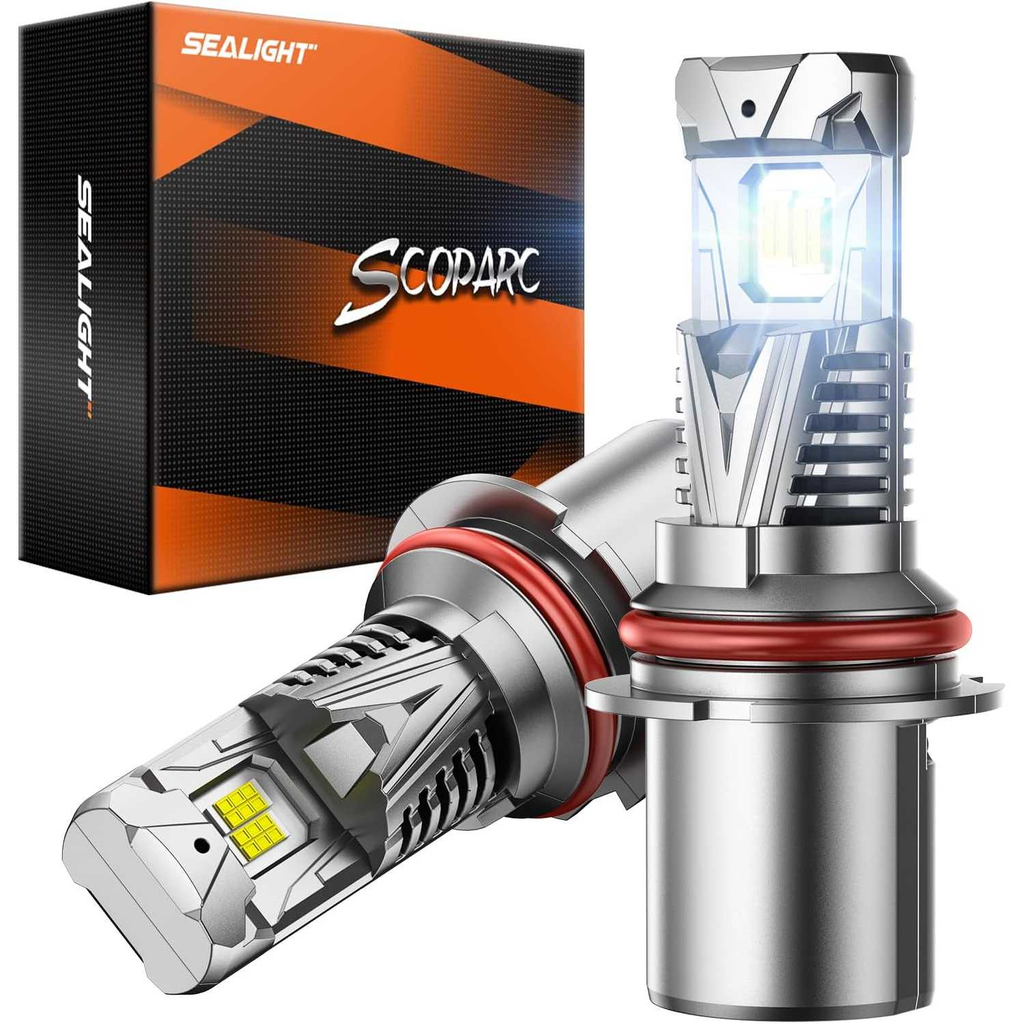
Rather than assuming every driver needs the most powerful bulb available, it makes sense to compare the available models according to driving habits, vehicle compatibility, and budget.
1. SEALIGHT S7S 9004/HB1 – Best for Maximum Advertised Brightness
The SEALIGHT S7S 9004 LED headlight bulbs is a high-output option for drivers who prioritize brightness.
According to the manufacturer’s specifications, this model offers:
- 33,000 lumens per pair.
- 130W total power consumption per pair.
- 6500K cool white illumination.
- IP68-rated protection.
- An advertised service life exceeding 60,000 hours.
The S7S also features an integrated design intended to simplify installation and reduce the need for additional external components.
Its high advertised output makes it an interesting option for drivers who regularly travel on dark roads and want to explore a more powerful LED upgrade.
However, brightness should always be considered alongside beam quality, thermal performance, and compatibility with the original headlight assembly.
2. SEALIGHT S1-Pro 9004/HB1 – Best for a Balanced Upgrade
Not every older vehicle needs an extremely high-output LED bulb.
The SEALIGHT S1-Pro offers a more moderate alternative for drivers seeking a balance between illumination, power consumption, and everyday usability.
Its published specifications include:
- 20,000 lumens per pair.
- 60W total power consumption per pair.
- 6500K white light.
- IP68-rated protection.
- An advertised lifespan exceeding 60,000 hours.
The S1-Pro is worth considering for owners who want to move away from aging halogen bulbs without automatically choosing the highest-output product in the lineup.
Its integrated power supply and compact design are also useful features to investigate when checking installation clearance.
3. SEALIGHT S2S 9004/HB1 – Best for a High-Output Everyday Option
The S2S is another option for drivers who want a relatively high-output 9004 LED replacement.
Its listed specifications include:
- 28,000 lumens per pair.
- 70W total power consumption per pair.
- 6500K cool white light.
- IP68-rated protection.
The S2S sits between the S1-Pro and S7S in advertised brightness, making it an option for buyers comparing different performance levels.
Before purchasing, review the latest product specifications and vehicle-specific fitment details to make sure the bulb suits the intended application.
Which SEALIGHT Model Should You Choose?
The right option depends on what you value most.
- For maximum advertised brightness: Consider the S7S.
- For a more moderate power rating: Consider the S1-Pro.
- For a higher-output middle-ground option: Consider the S2S.
These are product-selection suggestions based on published specifications, not independent laboratory performance rankings. Actual results will depend on the vehicle’s headlight optics and installation.
Why Consider SEALIGHT for an Older Vehicle?
When upgrading an older car, choosing a recognizable lighting brand can make the buying process easier.
SEALIGHT offers a dedicated 9004/HB1 product category, allowing shoppers to compare compatible LED options rather than searching through unrelated bulb sizes.
The company’s product lineup emphasizes several features relevant to older vehicles, including compact installation designs, different output levels, integrated cooling solutions, and weather-resistant construction.
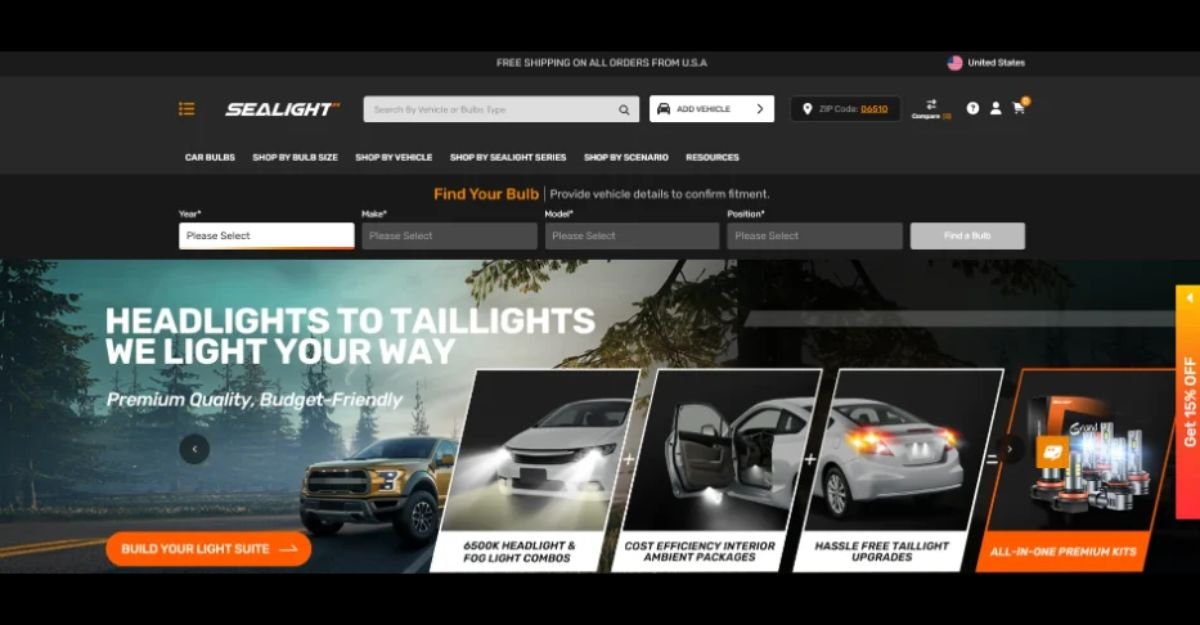
Another useful feature is its vehicle fitment information. Buyers can use the compatibility tools available on the website to help identify products intended for their particular vehicles.
If you are exploring different automotive lighting upgrades, visit SEALIGHT lighting to browse the available products and compare specifications.
For 9004/HB1-specific options, the dedicated product category is particularly useful because it brings together different SEALIGHT models designed for this bulb size.
Important Installation Tips for Older Cars
Even a high-quality LED bulb will not deliver satisfactory results if it is installed incorrectly.
Follow these steps before and after upgrading:
1. Confirm the original bulb size. Check the owner’s manual or remove the existing bulb and verify its identification number. Make sure it is actually a 9004/HB1 bulb.
2. Inspect the headlight assembly. Check for cloudy lenses, damaged reflectors, moisture, or deteriorating seals. These issues can undermine the performance of even a good LED bulb.
3. Disconnect the power before installation. Switch off the vehicle and follow the manufacturer’s installation instructions.
4. Check bulb orientation. Install the LED bulb in the correct position. Incorrect orientation can affect the beam pattern and create unwanted glare.
5. Make sure everything fits properly. Check that connectors, cooling components, and dust covers have sufficient clearance.
6. Test both low and high beams. Confirm that both functions work correctly and that there is no flickering or unexpected electrical warning.
7. Check headlight alignment. Aim the headlights according to the vehicle manufacturer’s specifications. Have a professional check the beam pattern if necessary.
Are 9004 LED Headlight Conversions Legal?
This is an important question, especially for owners of older vehicles.
LED bulb compatibility and road legality are not necessarily the same thing. A replacement bulb may physically fit a 9004 socket without being approved for use on public roads in a particular country or region.
Headlight regulations vary by jurisdiction, vehicle type, and lighting approval category. In the United States, for example, federal headlamp requirements and applicable vehicle certification rules must be considered. In the United Kingdom and other markets, separate lighting and vehicle inspection requirements apply.
Before purchasing an LED conversion, check local regulations and confirm whether the specific bulb and headlight assembly combination is approved for road use.
Do not assume that a general product claim, a high brightness rating, or a particular IP rating establishes legal approval.
Common Mistakes to Avoid When Buying 9004 LED Bulbs
A few purchasing mistakes can turn an otherwise worthwhile upgrade into an expensive disappointment.
Choosing brightness over beam quality: A bulb with an impressive lumen figure may still perform poorly if its light is scattered.
Ignoring vehicle compatibility: A 9004 bulb is not interchangeable with every other headlight type. Confirm the correct application before ordering.
Overlooking installation clearance: Some older vehicles have limited space behind the headlight assembly. Always check the bulb dimensions.
Ignoring the condition of the headlights: Cloudy lenses and damaged reflectors can reduce visibility regardless of the bulb technology.
Assuming every LED conversion is road legal: Check the applicable regulations before using an aftermarket LED replacement on public roads.
Buying based only on advertised lifespan: Long-life claims are manufacturer estimates and should be considered alongside warranty terms and product construction.
Final Thoughts: Choosing the Right 9004/HB1 LED Headlight Bulbs in 2026
Upgrading an older vehicle’s headlights can be a worthwhile improvement, especially for drivers who regularly travel after dark. Modern 9004/HB1 LED bulbs offer different brightness levels, color temperatures, cooling systems, and installation designs, giving vehicle owners more choices than traditional halogen replacements.
The most important thing is to choose a bulb that works with the original headlight assembly, provides a controlled beam pattern, fits the available space, and meets local road-use requirements.
SEALIGHT offers several 9004/HB1 options worth comparing, including the high-output S7S, the more moderate S1-Pro, and the S2S. Each serves a different purchasing preference, making it easier to narrow down the right product according to your vehicle and driving needs.
Before making a decision, verify your bulb size, review the product specifications, and check the vehicle-specific compatibility information at sealight-led.com. A carefully selected LED upgrade can help bring more modern lighting technology to an older car while maintaining a focus on visibility, compatibility, and responsible road use.