For contractors, delivery teams, service companies, and municipal operators in Prince George’s County, keeping vehicles available is central to fulfilling customer promises. Reliable fleet service capitol Heights, MD, can help businesses turn vehicle care into a planned operating routine instead of a series of expensive emergencies. A missed oil service, a worn tire, a weak battery, or an ignored dashboard warning can take a work van off the road at exactly the wrong time. In a busy Capitol Heights service area, one unavailable vehicle may mean reassigned routes, delayed appointments, overtime for employees, rental costs, or work postponed until another day.
Why Fleet Downtime Deserves More Attention
Downtime is more than the invoice for a repair. It includes the time spent arranging a tow, locating parts, moving tools or cargo, updating customers, and finding a replacement vehicle. A minor issue identified during a scheduled inspection is generally easier to organize than a roadside failure that interrupts a full workday. For fleets that travel between Capitol Heights, Washington, D.C., and surrounding Maryland communities, congestion and frequent stop-and-go driving can add stress to brakes, tires, cooling systems, and batteries. Maintenance planning allows managers to reserve service time before peak work periods, rather than reacting after a vehicle is already unavailable.
How Preventive Maintenance Reduces Breakdowns
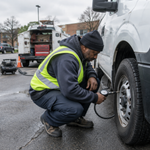
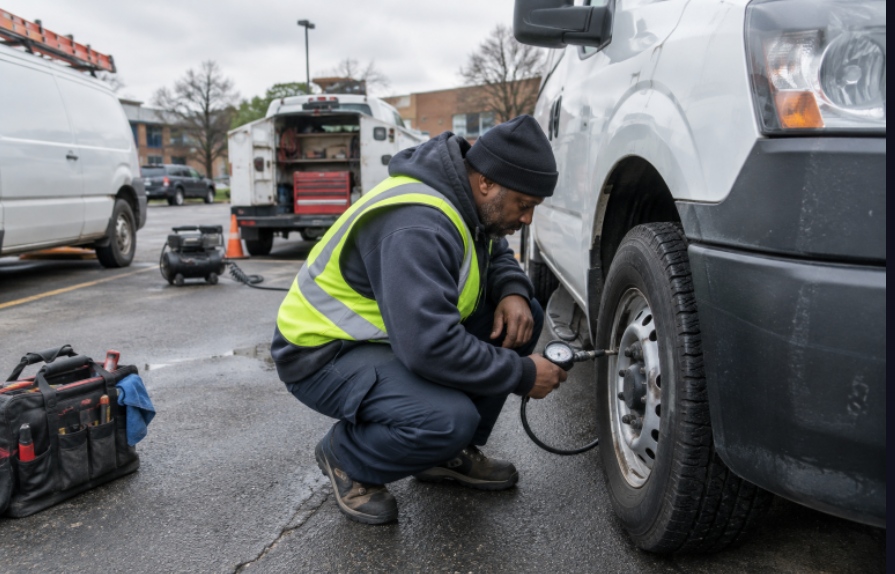
Preventive maintenance is the routine care performed before a known failure occurs. It can include oil and filter service, fluid checks, brake inspections, tire rotation, battery testing, lighting checks, and replacement of parts at manufacturer-recommended intervals. Predictive maintenance uses condition data or diagnostic information to identify emerging issues, while reactive maintenance begins only after something fails. Tire care deserves consistent attention because inflation, tread condition, alignment, and damage affect a vehicle’s handling. The National Highway Traffic Safety Administration recommends checking manufacturer-recommended tire pressure regularly and inspecting tires for wear or damage. For fleet managers, documenting those checks makes it easier to spot recurring issues on specific vehicles.
What a Written Maintenance Policy Should Cover
- Who schedules each type of service and who approves repairs.
- Which defects require immediate removal from service.
- How drivers report concerns and receive repair updates.
- Where completed work orders, invoices, and inspection records are stored.
How to Build a Practical Service Schedule
Begin with a complete vehicle list that includes make, model, model year, mileage, engine hours when applicable, primary use, and service history. Then review the manufacturer’s maintenance requirements and adjust timing when vehicles face heavier use, frequent short trips, heavy loads, extensive idling, or severe weather.
- Set oil, filter, fluid, tire, brake, and inspection reminders by time, mileage, or engine hours.
- Schedule service before major contracts, seasonal demand, or high-mileage work weeks.
- Review past work orders for repeat repairs, such as recurring warning lights or uneven tire wear.
- Keep enough flexibility to move a vehicle into service when a driver reports a safety concern.
- Reassess intervals monthly as vehicle age, usage, and repair history change.
The Role of Driver Inspections
Drivers are often the first people to notice new vibrations, difficulty starting, unusual noises, poor brake response, fluid leaks, or changes in steering. A short pre-trip and post-trip inspection gives fleets an early warning system, but it works only if reported defects receive a documented response.
Inspection Areas to Include
- Tire pressure, tread condition, visible damage, and loose wheel hardware.
- Exterior lights, mirrors, windshield condition, wipers, and washer fluid.
- Warning lights, leaks, odors, unusual sounds, and dashboard messages.
- Braking, steering, body damage, cargo areas, tools, and safety equipment.
Each report should identify the vehicle, concern, date, severity, and next action. Safety-related defects need immediate review. Less urgent concerns should still receive an owner and a target date so they do not disappear into a paper form, an email inbox, or a text thread.
Using Fleet Data Without Creating More Work
Most fleets already have useful information in fuel records, odometer readings, inspection forms, invoices, work orders, and diagnostic reports. The objective is not to track every available number. It is to use a manageable set of information to decide what needs attention, what can wait, and which vehicles may be becoming unreliable. Telematics can help identify fault codes, idle time, mileage changes, and unusual operating patterns. Assign one person to review maintenance alerts, determine whether action is required, and document the outcome. Maryland fleet managers can also use the state’s state-maintained road information when planning around road conditions, potholes, or weather-related service disruptions.
Maintenance Metrics Worth Tracking
- Preventive maintenance completion rate: The share of scheduled services completed on time.
- Unplanned downtime: Hours a vehicle is unavailable because of an unexpected defect or failure.
- Repeat repair rate: Vehicles that return for the same unresolved problem.
- Mean time to repair: The average time required to return a vehicle to service.
- Maintenance cost per mile: A useful comparison across vehicles with different workloads.
- Open work order age: How long unresolved repair needs remain active.
Review trends rather than overreacting to a single costly repair. A single major failure may be unavoidable, but a pattern of repeat repairs, overdue service, or growing downtime calls for a closer look at the vehicle, vendor, parts availability, or maintenance interval.
A Simple Repair and Approval Workflow
- A driver, technician, or diagnostic system reports a defect.
- A manager assigns a safety and operational priority.
- A technician confirms the issue and recommends the repair.
- The responsible person approves, delays, or declines the work with a documented reason.
- Parts and labor are scheduled, and the vehicle is repaired and tested.
- The work order records the repair, parts used, mileage, date, and any needed follow-up.
Clear communication matters throughout the process. Drivers should know whether a vehicle is safe to operate, when it will be available, and whether a replacement unit or route adjustment is necessary.
Common Fleet Maintenance Mistakes
- Waiting for a breakdown before scheduling service.
- Applying one service interval to every vehicle regardless of workload.
- Closing work orders without recording the cause and completed repair.
- Ignoring repeat defects on the same unit.
- Tracking repair invoices without tracking downtime.
- Collecting inspection reports without reviewing or assigning them.
Fleet Maintenance Checklist
Daily and Weekly
- Review new driver defect reports and urgent diagnostic alerts.
- Confirm vehicles assigned to critical routes are ready for service.
- Check overdue maintenance, open work orders, and parts delays.
Monthly and Quarterly
- Review downtime, roadside events, repeat repairs, and maintenance cost trends.
- Update service windows and discuss recurring driver feedback with technicians.
- Assess vehicle condition, replacement needs, emergency contacts, and backup vehicle plans.
Final Thoughts
Strong fleet maintenance in Capitol Heights does not require a complicated system. It requires consistent habits, including scheduled service, routine inspections, timely follow-up, accurate records, and regular review of vehicle performance. Fleet managers should track mileage, engine hours, fluid levels, tire condition, warning lights, and recurring repair needs to identify potential problems before they cause unexpected breakdowns. Keeping maintenance records organized also makes it easier to plan service appointments, manage repair costs, and determine when a vehicle may need more attention. Drivers play an important role by reporting unusual noises, reduced performance, leaks, or other changes as soon as they appear. Managers can use this information to prioritize repairs and avoid unnecessary delays. By regularly reviewing maintenance schedules and fleet performance, businesses can make better use of their vehicles, reduce avoidable downtime, and keep more of the fleet ready for the next job.