
Why Product Labeling Matters In Everyday Choices
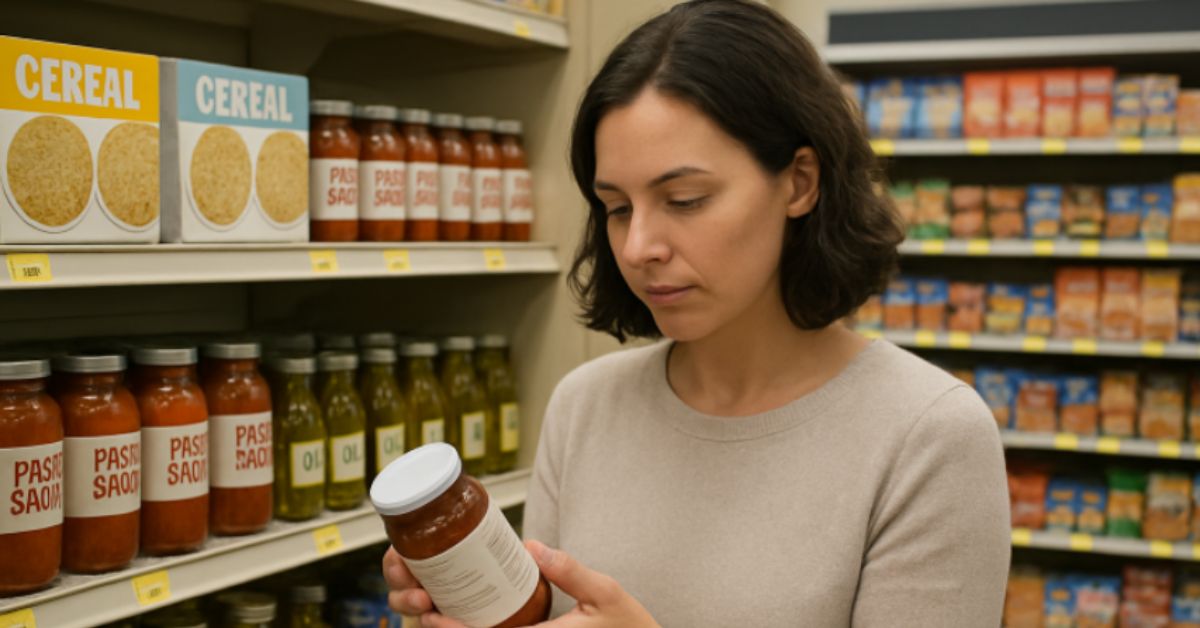
In the modern marketplace, product labeling is the silent ambassador of every brand. Shoppers rely on labels when making daily decisions, whether comparing ingredients in breakfast cereals, double-checking allergy warnings on snacks, or assessing the environmental impact of household goods. The details provided—nutritional facts, origin, instructions—equip consumers with the confidence to choose products that suit their values and needs.
The impact of custom labels is more significant than ever before, as consumers scrutinize products for health, safety, and ethical standards. Accurate labels not only fulfill regulatory requirements but also embody a brand’s commitment to honesty. When labels are misleading or incomplete, trust can erode quickly, often with lasting effects on reputation and long-term sales.
What Shoppers Expect From Packaging
Studies show packaging greatly influences shoppers. About 60% read labels to find trusted, accurate info for themselves or their families. Labels protect against allergens, clarify usage, and show sustainability. Clear, truthful labels differentiate brands and encourage loyalty. Vague or incorrect labels lead to skepticism and lost customers. With many options online, transparent packaging is more crucial. Consumers expect brands to verify labels and correct mistakes quickly. Labeling is now vital for brand loyalty and shelf presence.
How Labeling Errors Lead To Bigger Problems
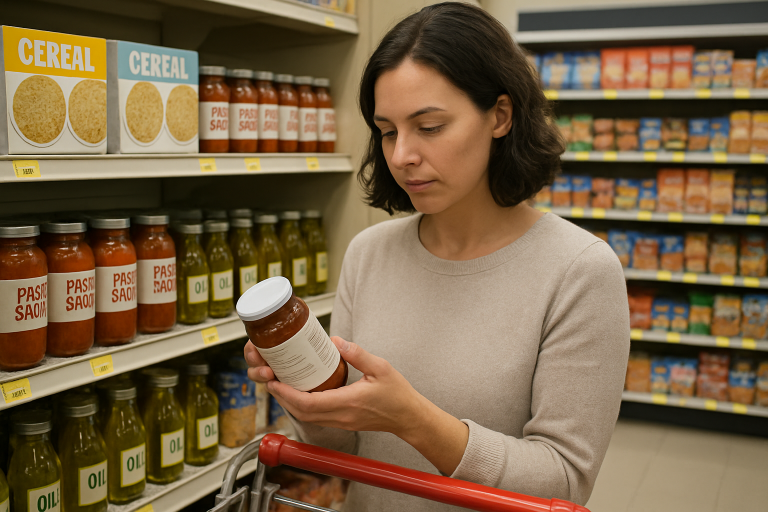
Labeling errors, even minor ones, can trigger issues. For example, if a snack brand omits a common allergen, it risks consumer safety and forces recalls. Such mistakes not only lead to penalties but also quickly harm public perception, especially on social media. The FDA notes that labeling-related recalls are frequent and damaging. Inaccuracy scandals can cause financial loss, legal problems, and damage trust. Worst cases can irreparably harm brand reputation, replacing transparency with suspicion. Recalls also affect supply chains, showing the importance of accurate labeling for safety and business continuity.
The Role Of Regulations In Safeguarding Customers
Government regulations underpin label integrity. Industries like food and beverages must follow strict guidelines on disclosures, allergens, and origin. Agencies frequently update rules for health risks and trade, requiring brands to stay compliant. Global supply chains add complexity, forcing label adjustments for local laws. Non-compliance risks fines, product withdrawals, and damage. Retailers and manufacturers need strong processes to monitor regulation changes, as even small errors can cause major disruptions.
Technology’s Growing Influence On Label Accuracy
Advances in technology are making it easier for brands to ensure label precision. Automated printing systems, software-driven audits, and smart packaging with digital verification features have become vital to minimizing human error. QR codes now offer instant access to product traceability information, and blockchain technology can authenticate a product’s journey from raw material to shelf, providing consumers with unparalleled confidence in label statements. Smart packaging innovations are also helping brands meet both compliance and consumer demands for transparency.
Transparency And Ethics In Brand Communication
Ethics and transparency in product labeling drive modern brand loyalty. Consumers reward brands that disclose sourcing, trace ingredients, and admit mistakes. Companies addressing mislabeling openly recover faster than those downplaying issues. Transparency shapes long-term perceptions. Trust-based relationships through honest labeling help brands withstand crises. Proactive communication and customer engagement foster loyalty and differentiate brands. Forbes’ industry analysis offers insights into trust-building strategies.
Simple Steps To Ensure Label Accuracy
- Implement regular cross-checks during packaging shifts to spot inconsistencies early.
- Train staff to detect common labeling pitfalls, such as typographical errors or tampered barcodes.
- Utilize automated quality-control systems to minimize human oversight.
- Engage independent third-party audits for unbiased regulatory compliance checks.
- Regularly update labeling technologies and software solutions to stay ahead of evolving standards.
Looking Ahead: Consumers As Partners In Labeling Integrity
The relationship between brands and buyers has shifted, with consumers actively verifying labels and claims. In a connected world, they research, compare, and discuss products online, raising standards for brands. Companies that engage feedback, respond to concerns, and admit mistakes are seen as more credible. Accurate labeling is not just legal; it’s essential for honest brand-audience relationships. Viewing consumers as partners in honesty helps companies build loyalty, boost repeat sales, and lead responsible industry standards.