
Rise of RNA Sequencing in Medical Research
RNA sequencing has ushered in a new biomedical discovery and precision medicine era. Moving far beyond the limitations of earlier gene expression techniques, researchers now use RNA sequencing to obtain comprehensive snapshots of all RNA molecules within a cell. The ability to capture this dynamic landscape lies at the foundation of understanding disease at a molecular level and developing next-generation therapeutic strategies. For professionals seeking support with advanced RNA studies, specialized providers, such as RNA sequencing data analysis services California, enable health systems and researchers to efficiently analyze vast genomic datasets.
This expanded access to sophisticated sequencing and analytical support accelerates disease research in oncology, neurology, and rare disorders. By leveraging these tools, researchers cannot only profile how genes behave in healthy and diseased tissues but can also systematically uncover molecular abnormalities previously hidden by less powerful technologies.
For example, studies highlighted by leading scientific organizations such as Nature have unveiled novel genetic mechanisms underlying conditions ranging from cancer to autoimmune diseases. This ever-evolving field sets the stage for revolutionary advances in how clinicians approach diagnosis and treatment.
Decoding Gene Expression Data
Gene expression data from RNA sequencing allows scientists to see which genes are active or silent in any cell or tissue. This level of detail is critical in pinpointing disease-specific molecular changes, tracking biological responses to therapies, and identifying early warning signs for numerous health conditions. For diseases like cancer, subtle shifts in gene expression can mark the onset or predict resistance to specific treatments, often before clinical symptoms arise.
Personalized Treatment Strategies Enabled by Sequencing
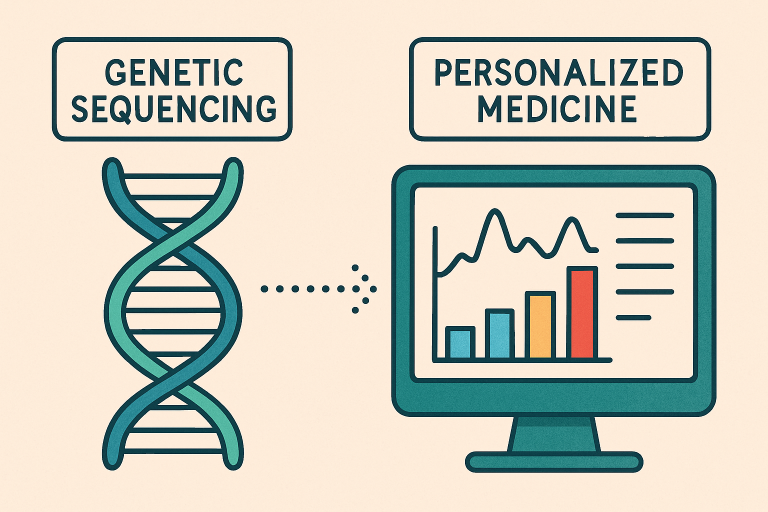
The rise of precision medicine is closely linked to the ability to analyze individual RNA and gene expression profiles. Personalized treatment plans, built upon these molecular insights, are transforming outcomes in fields such as oncology, where treatments can be matched to the unique biology of a patient’s tumor. This approach extends to immune system disorders and even some infectious diseases, allowing for more targeted, effective, and better-tolerated therapies.
Patients no longer have to accept one-size-fits-all solutions. Instead, clinicians can select from various options—sometimes including cutting-edge gene and immune-based therapies—guided by molecular data. The result is improved prognosis, fewer adverse effects, and the promise of longer, healthier lives.
Recent Technological Advances
Continuous innovation is on display in the world of RNA sequencing. Today’s techniques deliver ever-greater sensitivity, throughput, and cost-effectiveness. Breakthroughs such as single-cell RNA sequencing now allow scientists to profile cellular diversity with unprecedented clarity, revealing rare cell types and subtle gene expression patterns that would otherwise be masked.
According to Genome.gov, these emerging technologies are rapidly reshaping the research landscape and promoting the discovery of novel biomarkers and therapeutic targets. Integration of AI and advanced bioinformatics pipelines is further propelling the field forward.
Clinical Applications and Patient Benefits
- Earlier, more reliable diagnosis of genetic and complex diseases
- Personalized prognosis estimation and disease monitoring over time
- Treatment optimization based on real-time molecular data
- Greater patient engagement and understanding of personal health risks
Healthcare institutions are steadily incorporating RNA sequencing into diagnostic and treatment pathways. Patients with rare diseases or unexplained symptoms—who once navigated a maze of inconclusive tests—now benefit from comprehensive molecular profiling that helps clarify diagnoses and guide effective care.
Overcoming Challenges in Implementation
Despite these advances, mainstream adoption of RNA sequencing in clinical settings faces challenges. Interpreting complex sequencing data and integrating it into actionable care plans requires a learning curve. Additionally, reimbursement and privacy concerns remain barriers for some healthcare systems. Collaboration between clinicians, bioinformaticians, and researchers is essential to ensure that RNA sequencing delivers real-world patient value. Investment in education and digital health infrastructure will be key to bridging these gaps and making precision medicine accessible.
Future Directions in Healthcare
- Seamless integration of molecular data with electronic health records to inform care decisions
- Expansion of RNA sequencing into infectious diseases, rare disorders, and beyond
- Use of artificial intelligence and machine learning for rapid, automated data interpretation
- Large-scale population studies to inform public health strategies and preventive care
As RNA sequencing becomes more deeply embedded in healthcare workflows, it promises to redefine disease management and prevention at individual and public health levels.
Learning More and Staying Informed
Precision medicine is a rapidly evolving domain, and staying informed about the latest research, clinical guidelines, and technological breakthroughs is crucial for healthcare professionals, patients, and policy-makers. Comprehensive resources—such as ongoing reports from NIH Research Matters—provide valuable updates from international experts. These sources help ensure that care providers and those seeking better health outcomes remain at the forefront of scientific progress and patient-centric care.