
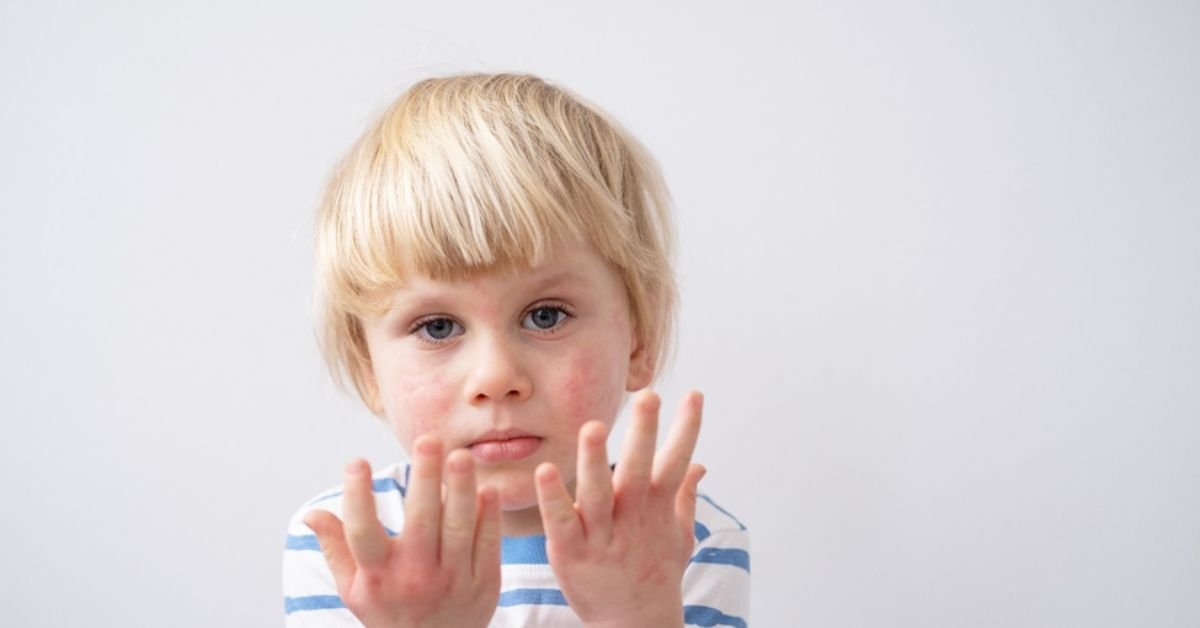
You know, it usually starts small. A little rub of the nose. A patch behind the knee that doesn’t seem to go away.
A random cough at night. Most parents won’t blink twice the first time. Toddlers are always going through something: teething, little colds, growing pains. But sometimes, those little things aren’t just…random.
You’re going about your morning, trying to get shoes on a squirmy toddler, and you notice they’ve been scratching their arms again.
Didn’t they do that yesterday too? You remember thinking maybe it was dry weather or maybe the new laundry soap, but now you’re wondering. It’s easy to overlook this stuff. We all do.
But here’s the thing: certain symptoms come back. They change shape.
They show up when you’re not expecting them. And more often than not, those early signs are your child’s body trying to flag you down before something more serious shows up.
Not every sneeze or patchy spot is a problem, of course. But when you start connecting the dots, when a pattern starts to form, that’s when it’s time to lean in.
Subtle Signs of Discomfort
Your toddler might seem more annoyed than usual. Or they stop sleeping well for a few nights in a row, waking up and scratching the same spot over and over.
You tell yourself it’s nothing. Maybe it’s just the pajamas. Maybe the bath water was too warm.
But what if this is the third time it’s happening in a week? Or that dry patch on the leg now has a second one, just below it?
That’s where we begin.
How Toddlers Show Discomfort
Children this age aren’t going to say, “Something’s irritating my skin.” You’ll see it in what they do instead. They’ll tug at the collar of their shirt.
They’ll swipe at their eyes long after waking up. They’ll start acting clingier. Not always in a dramatic way. Just…off.
If you’re paying attention, you’ll feel it before you can explain it.
And the truth is, sometimes you won’t catch it the first time. Or even the second. Because it’s subtle, but once you notice that it’s not going away, once the same strange thing pops up in different ways, that’s your cue.
Common and Hidden Triggers
Some kids are more sensitive than others. That’s just how it is.
What sets one off might not affect another at all. One child might go outside and start rubbing their cheeks the second the wind picks up.
Another might get a rash every time they wear that soft blanket you thought was perfect for winter.
What’s frustrating is, it’s not always clear what’s doing it. Maybe it’s the dog. Maybe it’s dinner. Maybe it’s the paint on the wooden toy they were chewing on. There’s no blinking sign saying “this is the trigger.”
That’s why so much of this is about watching. Pausing. Asking small questions.
Behavior Changes as a Clue
There’s a kind of discomfort toddlers can’t put into words, so it spills out through their skin, or their mood, or in how they sleep.
You’ll see it in the behavior. A child who used to be all smiles suddenly starts getting fussy at the same time every day. A short nap.
Less appetite. Or maybe they keep scratching, even when there’s nothing on the surface.
You try lotions. You check the bedsheets. You change pajamas. Still, they’re uncomfortable.
This is where a simple solution sometimes helps, not a cure, but a comfort.
In situations like this, some parents find that switching to something like an eczema moisturizing cream helps settle the skin enough to break that constant irritation loop.
It doesn’t solve the whole puzzle, but it can buy you time to observe.
Why Acting Early Matters
You’ll hear people say “don’t overreact.” But honestly? Reacting early is often the best thing you can do. Quietly. Calmly. No need to panic. Just take notice and shift a few things. Simplify what’s going on in their world.
You don’t need to write everything down in a chart. Just remember. Or jot a few things in your phone. When did it happen? After lunch? After the park? Was it worse after bath time? What did they eat?
You’ll start seeing something, maybe not immediately, but over time.
Less Obvious Allergy Symptoms
Some parents wait for a full-body rash, or wheezing, or something obvious. But the bigger signs don’t always show up. Sometimes it stays just below the surface.
Not enough to call it a major reaction. But enough to make your child feel uncomfortable, restless, and not quite right in their own body.
You’re not waiting for a diagnosis. You’re just trying to understand the clues.
Getting Support and Advice
Eventually, if the signs don’t fade or get clearer, you talk to someone. A doctor, yes, but even before that, a trusted friend who’s been through something similar.
Or a family member who raised three sensitive kids. Not for answers necessarily. Just for perspective.
The important part is not brushing it off when your gut tells you something isn’t right.
Because a toddler can’t describe discomfort with words, they show it. And if you notice it early enough, you can do something small that prevents something big.
Trusting Your Parental Instinct
There’s no perfect roadmap. But if you follow your instincts, and respond to the soft signs early, you’ll save yourself and your child a lot of frustration later.
You’re not looking for drama. You’re looking for patterns. You’re noticing what they can’t say out loud.
And the beautiful part is, once you begin tuning in, you start seeing them more clearly. That’s when everything starts to make a little more sense.