
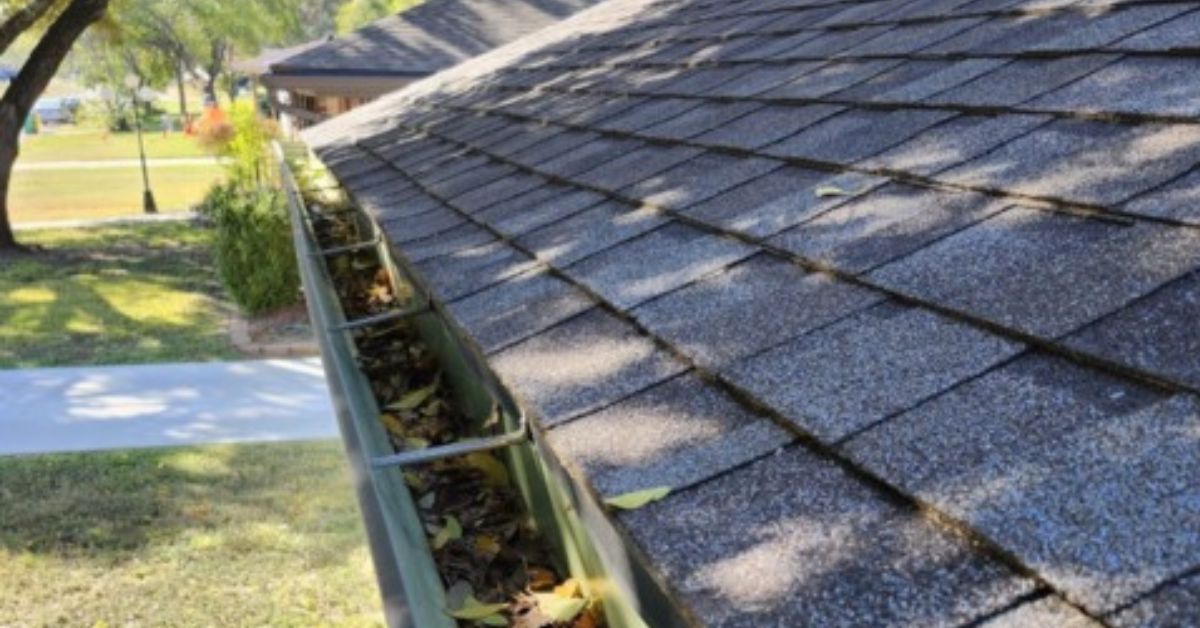
With temperatures dropping as winter approaches, your home’s gutters are faced with a new set of challenges. Twigs, leaves, and ice can easily clog or damage a neglected gutter system, resulting in costly water damage and possibly even compromising your roof or foundation. To mitigate these risks, it’s important to prepare your gutters ahead of time.
Let’s take a look at the key steps you can take to ensure your gutters are ready for winter.
1. Prevent Winter Damage by Clearing Gutters Early
Before the cold weather sets in, schedule some time to thoroughly clear your gutters. Leaves, twigs, and other debris tend to build up quickly during fall, creating blockages that prevent proper water flow. When temperatures drop and that water starts to cool, it can freeze, forming ice dams that put strain on your gutters. This can result in long-term damage to your gutters and surrounding structures.
As part of your gutter maintenance checklist for winter, one of the most effective winter gutter cleaning tips is to clean your gutters early and regularly.
2. Inspect for Damage and Sagging
Small cracks, loose fasteners, and sagging areas that seem trivial can quickly escalate into major concerns under the strain of heavy rain or high winds. Take a walk around your property and check the full gutter line. If you notice any damage, repair or replace the affected sections promptly. To this end, consider enlisting the services of a professional gutter installation company.
3. Use Gutter Guards to Minimize Debris Buildup
Gutter guards are a reliable, affordable way to prevent the buildup of leaves and debris. In the long run, they minimize time on clean-up, reduce the risk of clogging, and ensure consistent gutter performance throughout the winter. There are various options to choose from, including mesh, foam, and surface-tension solutions, each with differing levels of protection and maintenance.
4. Ensure Downspouts are Clear
Clean gutters alone won’t ensure proper drainage if your downspouts are clogged. When water can’t flow through, it can accumulate and freeze, resulting in ice dams that put extra strain on your gutter system. Simply use your garden hose to flush out your downspouts, ensuring that the water drains away from your home’s foundation.
5. Add Heating Cables to Prevent Ice Dams
Though rare in milder climates, major freeze events in recent years have shown that ice dams can form even in Texas communities. When the temperature drops for extended periods of time, having heating cables along gutters and roof edges will help melt snow and ice to prevent dangerous buildup in freezing conditions. This proactive step is an important part of cold weather gutter care, ensuring your system continues to drain properly even during sudden cold snaps.
6. Trim Overhanging Branches
Falling leaves, twigs, and branches can add strain to your gutter system. Throughout the year, and especially leading up to winter, make it a priority to trim back nearby trees to minimize debris. This will keep gutters clearer for longer while reducing the risk of heavy limbs breaking and causing damage to your home.
Regular trimming also improves airflow and sunlight exposure, which can help prevent mold and mildew buildup around your home’s exterior.
Final Thoughts
Your gutters are one of the first lines of defense against winter weather. By investing in simple maintenance, you can prevent clogs, ice buildup, and costly structural issues. For extra peace of mind, consider partnering with local gutter installation companies to ensure your system is fully prepared and protected.