
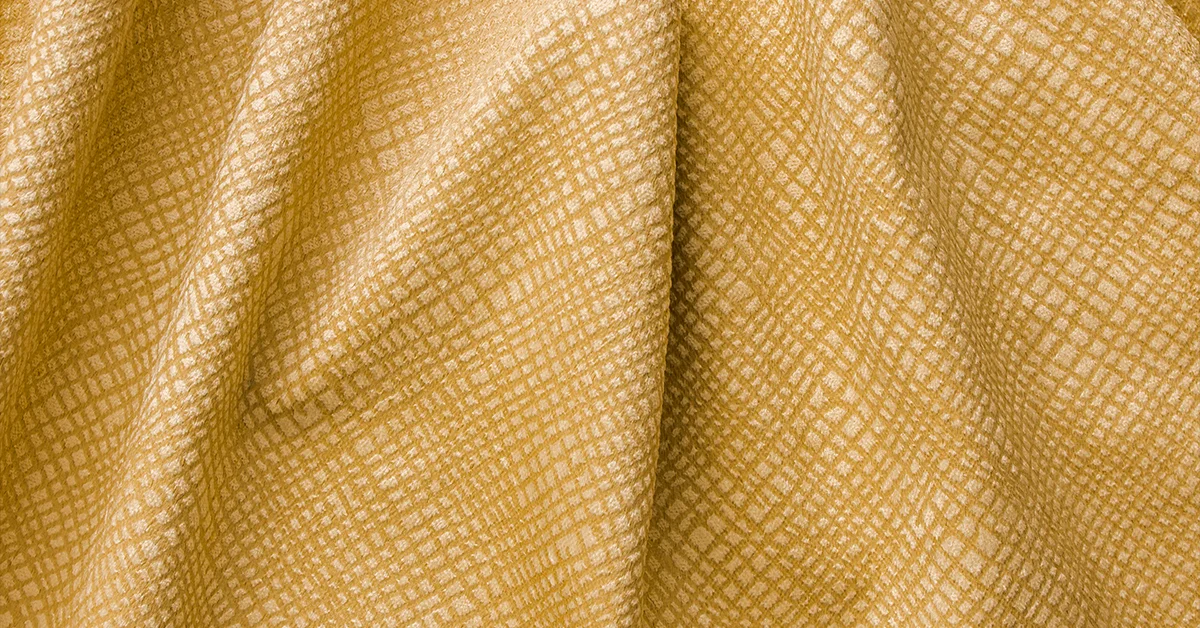
In the vast world of textiles, there’s a natural fiber that’s been quietly making its mark for centuries—ramie fabric. If you’re someone who appreciates sustainable fashion, eco-friendly materials, or just loves discovering unique textiles, then ramie is a fiber you absolutely need to know about. In this article, we’ll dive deep into what ramie fabric’s is, its history, how it’s made, and why it might just become your new favorite fabric choice.
TRENDING
Unlocking The Power Of Imstroid: A Fresh Take On Innovation
What Is Ramie Fabric?
Ramie fabric is a natural fiber derived from the stalks of the Boehmeria plant, a flowering plant native to East Asia, particularly China, India, and parts of Southeast Asia. Sometimes called China grass, ramie is one of the oldest fibers used in fabric production, with a history stretching back thousands of years.
Unlike cotton or linen, ramie is a bast fiber, meaning it’s harvested from the inner bark of the plant’s stalk rather than from seeds or leaves. This gives ramie fabric’s a distinctive texture and strength, making it an appealing choice for various textile applications.
A Brief History Of Ramie Fabric
Ramie’s use dates back to ancient times—records show that it was used in Chinese textiles as early as 5000 BC. Over the centuries, it spread to other parts of Asia and eventually to Europe during trade expansions.
Traditionally, ramie was used to make garments, ropes, and household items like nets and curtains. Its ability to hold shape well and its silky luster made it highly valued in fabric production. Though the fiber was overshadowed by cotton and silk in modern times, ramie is experiencing a resurgence thanks to the growing interest in sustainable fabrics.
How Is Ramie Fabric Made?
The process of turning ramie plants into usable fabric is labor-intensive but fascinating:
Harvesting: The stalks of the ramie plant are cut once they reach maturity, usually after about 5-6 months of growth.
Decortication: The outer bark is stripped away to access the inner bast fibers. This is often done manually or mechanically.
Degumming: Ramie fibers contain a gummy substance called pectin that must be removed to separate the fibers cleanly. This involves soaking the fibers in hot water or using chemical treatments.
Spinning and Weaving: Once the fibers are cleaned and dried, they are spun into yarns and woven into fabric.
This process results in a fabric with a silky sheen and remarkable strength.
The Unique Characteristics Of Ramie Fabric
Ramie fabric has several qualities that set it apart from other natural fibers:
- Strength and Durability: Ramie fibers are stronger than cotton and even stronger when wet, making ramie fabric’s long-lasting and resistant to wear.
- Lustrous Appearance: The fiber naturally has a silky, shiny surface, giving the fabric a subtle sheen without needing extra finishing.
- Breathability: Like other natural fibers, ramie is breathable and comfortable to wear in warm weather.
- Moisture Absorption: Ramie can absorb moisture quickly but dries faster than cotton, helping to keep the wearer comfortable.
- Resistance to Bacteria and Mold: The fiber resists bacterial growth, making it a hygienic choice for clothing and home textiles.
- Wrinkle Resistance: While ramie fabric’s can wrinkle, it holds shape better than many other natural fibers, which helps garments look fresh.
Ramie Fabric vs. Other Natural Fibers
You might be wondering how ramie stacks up against more commonly known fibers like cotton, linen, and silk. Here’s a quick comparison:
| Feature | Ramie | Cotton | Linen | Silk |
|---|---|---|---|---|
| Origin | Bast fiber (bark) | Seed fiber | Bast fiber (flax) | Protein fiber (silkworm) |
| Strength | Very strong | Moderate | Strong | Moderate |
| Sheen | Silky, lustrous | Matte | Slight sheen | High sheen |
| Breathability | High | High | High | Moderate |
| Wrinkle Resistance | Moderate | Low | Low | Low |
| Moisture Absorption | High | High | High | Low |
| Sustainability | High | Moderate | High | Moderate |
From this, it’s clear ramie combines many desirable features, such as strength and sheen, with sustainable advantages.
Applications Of Ramie Fabric
Ramie fabric is incredibly versatile and finds its way into various products:
- Apparel: Shirts, blouses, dresses, and suits often include ramie because of its crisp texture and breathability.
- Home Textiles: Curtains, upholstery, tablecloths, and napkins benefit from ramie’s durability and natural sheen.
- Industrial Uses: Ramie is used in products like fishing nets, bags, and twine due to its strength.
- Blended Fabrics: Ramie is frequently blended with cotton, wool, or synthetic fibers to improve fabric qualities such as softness and durability.
Why Choose Ramie Fabric? Benefits For You And The Environment
In today’s world, where sustainable living is gaining momentum, choosing ramie fabric’s offers numerous advantages:
Eco-Friendly Production
Ramie plants grow quickly and require minimal pesticides and fertilizers, making the cultivation process less harmful to the environment compared to other fibers like conventional cotton.
Biodegradability
Being a natural fiber, ramie fabric’s is fully biodegradable, breaking down naturally without polluting the soil or waterways.
Durability Means Longevity
Clothes and textiles made from ramie tend to last longer, meaning less frequent replacement and reduced waste.
Breathable and Comfortable
For those who value comfort, ramie’s breathability and moisture-wicking properties make it perfect for warm climates or summer wear.
Hypoallergenic Properties
Ramie is less likely to irritate sensitive skin compared to some synthetic fibers, making it suitable for people with allergies.
How To Care For Ramie Fabric
Taking good care of your ramie textiles ensures they last longer and maintain their beauty:
- Washing: Hand wash or machine wash on a gentle cycle with cold water. Avoid harsh detergents.
- Drying: Air dry is best to prevent shrinking or damage. Avoid excessive heat in dryers.
- Ironing: Use a medium heat iron while the fabric is still slightly damp for best results.
- Storage: Store in a cool, dry place to prevent mold or mildew.
Ramie Fabric In The Future Of Sustainable Fashion
As fashion brands and consumers become more conscious of environmental impacts, natural fibers like ramie are gaining renewed attention. Designers are increasingly incorporating ramie into their collections for its eco-friendly credentials and aesthetic qualities.
Moreover, innovations in processing techniques are making ramie more accessible and affordable, allowing it to compete with traditional fibers like cotton and polyester on a larger scale.
Conclusion
Ramie fabric may not be as widely known as cotton or silk, but it definitely deserves a spot in your textile vocabulary. Its combination of natural strength, breathability, and eco-friendly qualities makes it a standout choice for anyone interested in sustainable and durable fabrics.
Whether you’re a fashion enthusiast, a textile lover, or someone who values natural fibers for everyday use, ramie fabric’s offers a unique and valuable alternative. Next time you’re shopping for clothes, bedding, or home textiles, keep an eye out for this fascinating fiber — it might just become your new favorite.
ALSO READ: Unlocking New Adventures: A Fresh Take On Dwarf Fortress Mods
FAQs
What is ramie fabric made from?
Ramie fabric is made from the fibers extracted from the stalks of the Boehmeria plant, a natural bast fiber primarily grown in East Asia.
Is ramie fabric sustainable?
Yes, ramie is considered a sustainable fabric because the plant grows quickly, requires fewer pesticides, and the fiber is biodegradable.
How does ramie fabric feel compared to cotton?
Ramie feels similar to linen—slightly crisp but breathable and lightweight. It has a natural sheen and is stronger than cotton.
Can ramie fabric be blended with other fibers?
Absolutely. Ramie is often blended with cotton, wool, or synthetic fibers to enhance softness and durability.
How do I care for ramie fabric?
It’s best to wash ramie in cold water on a gentle cycle, air dry it, and iron while slightly damp to keep the fabric looking fresh.