
What Is Metal Finishing?
Metal finishing is a transformative process that coats or modifies the surface of metal parts to enhance durability, appearance, and performance. It serves as the critical final step before products go to market, protecting components from corrosion, wear, and tarnishing, while often providing specialized properties like electrical conductivity for technology applications. Companies seeking optimal results usually hire a skilled metal finisher who can tailor finishing techniques to specific project requirements.
Industries diverse as automotive, aerospace, industrial machinery, consumer electronics, and medical devices rely on metal finishing to meet rigorous technical and regulatory standards. The finishing stage ensures the long-term viability of metal parts and plays a pivotal role in brand image and overall product quality.
Common Types Of Metal Finishing Processes
Every application demands a finishing process that aligns with unique performance and aesthetic goals. The most common techniques include:
- Electroplating: This process applies a metal coating using an electric current, enhancing corrosion resistance and visual appeal. It is widely used for jewelry, automotive parts, and electronics.
- Powder Coating involves spraying dry powder onto metal objects and then curing them under heat to form a resilient, uniform finish.
- Anodizing: Primarily used on aluminum, anodizing thickens the natural oxide layer, improving its appearance and resistance to abrasion and corrosion.
- Polishing and Buffing: Mechanically smooths metal for a reflective, attractive surface, often used on stainless steel and brass.
- Conversion Coating: Chemical processes such as phosphating or chromating modify surface chemistry to support paint adhesion or enhance corrosion protection.
Applications Across Industries
Metal finishing is so pervasive that many everyday products depend on it for safe, long-lasting use. Automobile manufacturers use it to prevent rust and deliver eye-catching finishes. In consumer technology, the process provides durability and sleek designs to smartphones, tablets, and laptops. The aerospace and defense sectors depend on specialized finishes for reliability under harsh operational conditions, while the medical industry uses antimicrobial finishes to maintain stringent hygiene standards. Sports and leisure equipment, such as bicycles and golf clubs, rely on advanced coatings for performance and visual appeal.
These industrial requirements often change based on the specific environment where a part operates. Many companies now look for partners that have certifications like NADCAP to ensure every part meets strict safety codes. High-quality metal finishing is a standard requirement for parts used in flight or medical surgery. These processes help parts last longer when they face heat or friction. Engineers choose specific coatings to make sure the base material does not break down over time. This focus on quality helps prevent part failure in the field.
Benefits Of Metal Finishing
Investing in high-quality metal finishing offers organizations a wide array of advantages, including:
- Corrosion Resistance: Surface protection ensures longer component life by shielding metals from environmental factors and chemical exposure.
- Durability and Wear Resistance: Effective finishes significantly increase a product’s resistance to scratches, abrasions, and day-to-day wear.
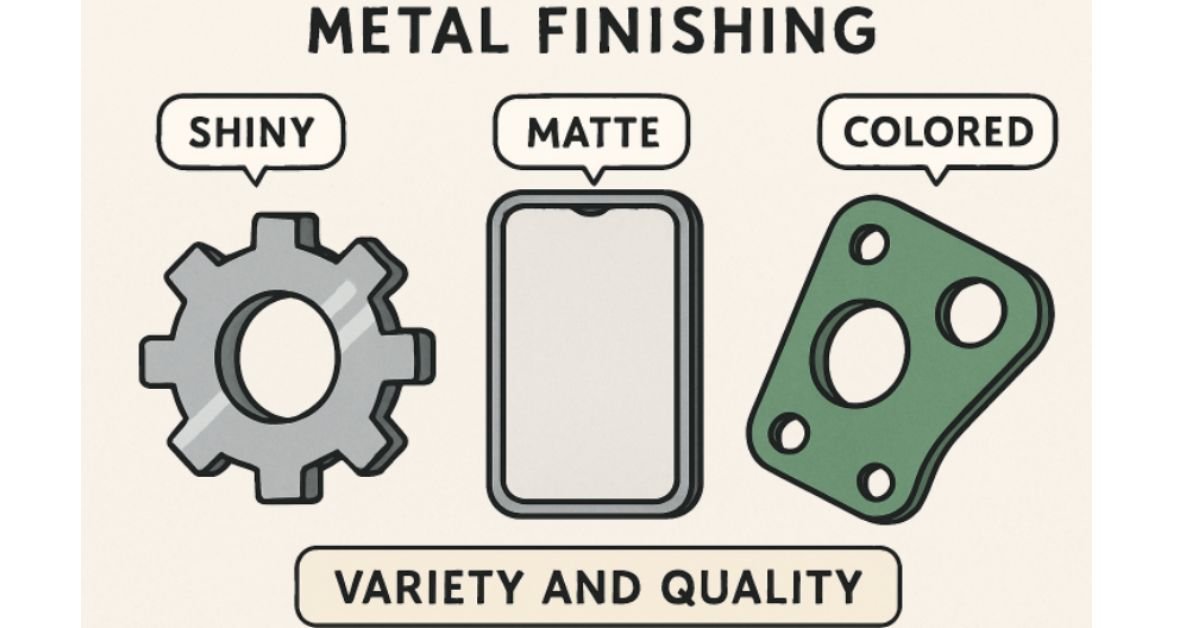
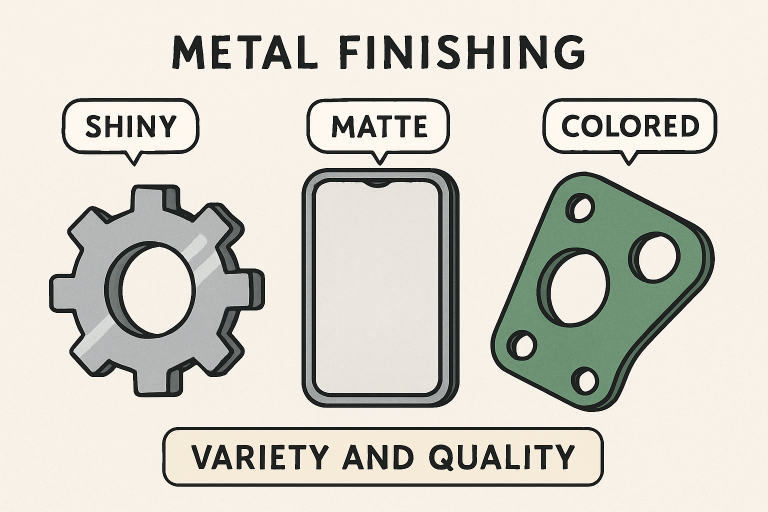
- Customization and Aesthetics: Finishing options such as color, sheen, and textural elements help companies distinguish their products.
- Functional Properties: Processes can imbue metals with distinct characteristics—such as added conductivity for electronics or improved insulative qualities—crucial for advanced engineering applications.
Key Considerations When Choosing a Metal Finish
Selecting the proper metal finish is multifaceted and requires careful evaluation. Considerations include:
- End Use and Operating Environment: Exposure to weather, chemicals, or heavy handling will influence the finish selection process.
- Base Metal Compatibility: Certain metals, such as aluminum and steel, react differently to varied treatments, affecting finish quality and longevity.
- Project Budget: Some finishing methods are more cost-effective for large batches, while others may be better suited for high-end or specialized parts.
- Regulatory and Environmental Standards: Many industries have strict standards regarding allowable finishes for performance and environmental safety reasons. For more on regulations and industry standards, visit NIST.
Recent Advancements In Metal Finishing
Innovation continues to shape the metal finishing sector. Companies are investing in water-based solutions and automated processes that cut energy use and reduce reliance on hazardous materials. As highlighted within Assembly Magazine, many facilities now integrate closed-loop recycling systems and intelligent monitoring for process byproducts, minimizing environmental impact and operational costs.
Research into new coatings and environmentally friendly alternatives is accelerating, driven by customer demand and evolving global standards. Expect to see greater adoption of laser—and plasma-based surface treatments and biologically derived coatings that further reduce the ecological footprint.
Sustainability And Regulation
Sustainability is not just a competitive differentiator—it’s quickly becoming a regulatory requirement. New laws and global standards limit the use of heavy metals and volatile organic compounds (VOCs), pushing the industry toward alternative chemicals and greener practices. Companies that invest in environmentally responsible metal finishing benefit from reduced waste disposal costs, enhanced market access, and a positive brand image. To look at the latest sustainable industry trends, explore this report from McKinsey.
As government agencies worldwide introduce stricter limits and higher reporting standards, manufacturers must innovate and adapt their processes to stay compliant, competitive, and responsible stewards of natural resources.
Final Thoughts
Metal finishing is a foundational process that supports innovation, sustainability, and reliability across many industries. With ever-evolving techniques, stricter regulations, and a surge in eco-friendly practices, selecting the right finish requires expertise, up-to-date knowledge, and a commitment to product and environmental excellence. By staying informed about advancements and choosing the right metal finisher, companies can ensure their products stand out for their quality, longevity, and responsibility to the planet.