
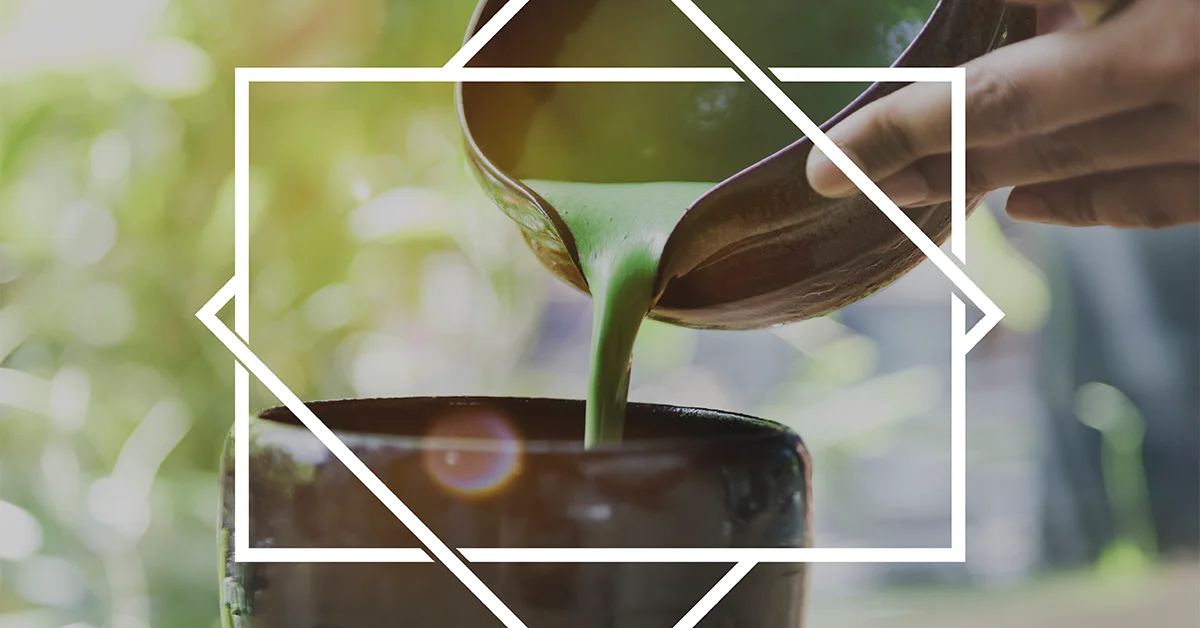
If you’ve ever wandered into a café or browsed a health food store, chances are you’ve come across matcha. This vibrant green powder has exploded in popularity worldwide, praised for its health benefits and unique flavor. But if you’re new to matcha, you might be wondering: What does matcha taste like? In this article, we’ll dive deep into the flavor profile of matcha, unpacking the layers of taste and texture that make it such a special experience.
TRENDING
How Manga Fire Is Igniting A New Wave Of Creativity
What Is Matcha?
Before we jump into the flavor, it’s important to understand what matcha actually is. Matcha is a finely ground powder made from specially grown and processed green tea leaves. Unlike traditional green tea, where you steep the leaves and discard them, with matcha you consume the entire leaf in powdered form, giving you a more concentrated taste and nutrients.
Originating in Japan and deeply rooted in traditional tea ceremonies, matcha has become a symbol of mindfulness, health, and ritual. But its flavor is just as compelling as its history.
The Unique Taste Of Matcha: An Overview
Describing matcha’s flavor can be tricky because it’s complex and multi-dimensional. It doesn’t simply taste like your average cup of green tea. Instead, matcha boasts a unique combination of flavors that can be described as:
- Umami (a savory, brothy taste)
- Grassy and vegetal notes
- Sweet undertones
- Slight bitterness
- Creamy and smooth texture
Let’s break these down one by one.
Umami: The Savory Depth
One of the most defining characteristics of matcha is its rich umami flavor. Umami is often described as the “fifth taste,” alongside sweet, sour, salty, and bitter. It has a savory, mouth-filling quality similar to mushrooms, seaweed, or aged cheese.
This umami flavor comes from the high levels of the amino acid L-theanine present in matcha leaves, which are grown in the shade to increase this compound. The result is a taste that feels deeply satisfying and more rounded compared to other teas.
Grassy and Vegetal Notes
Matcha’s flavor also carries distinct grassy and vegetal tones. Imagine fresh-cut grass, steamed spinach, or a hint of seaweed — that’s the kind of fresh green flavor you’ll get. These notes highlight its natural origins and provide a refreshing, clean taste that balances the richness of the umami.
Sweet Undertones
Despite being a green tea, matcha surprisingly has a natural sweetness. This subtle sweetness is often described as creamy or mellow and helps offset the bitterness. High-quality ceremonial-grade matcha especially carries more pronounced sweet notes, sometimes likened to a hint of honey or chestnut.
Slight Bitterness
Like many teas, matcha has a mild bitterness, but it’s never overwhelming when prepared correctly. This bitterness adds a pleasant edge to the flavor profile and works well alongside the sweetness and umami. Lower quality matcha powders, however, may be more bitter or astringent, so quality matters.
Creamy and Smooth Texture
Beyond just taste, matcha’s texture plays a key role in its flavor experience. When whisked properly with hot water, matcha forms a frothy, creamy texture that coats the mouth. This smoothness enhances the overall enjoyment and makes it feel indulgent without any dairy.
How Does Preparation Affect Matcha’s Flavor?
The taste of matcha can vary significantly based on how you prepare it. Here are some factors to consider:
Water Temperature
Too hot water (above 80°C or 176°F) can make matcha taste bitter and harsh, while water that’s too cool might not fully release its flavor. The ideal temperature is between 70-80°C (158-176°F) to bring out the balanced sweetness and umami.
Whisking Technique
Proper whisking using a bamboo whisk (chasen) creates a creamy froth that enhances the texture and flavor. If it’s not whisked well, the powder might clump, resulting in an uneven, gritty taste.
Matcha Grade
- Ceremonial Grade: The highest quality, meant to be consumed plain. It has a delicate sweetness, less bitterness, and a smooth, vibrant flavor.
- Premium Grade: Suitable for daily drinking, with a slightly stronger vegetal flavor.
- Culinary Grade: More bitter and robust, designed for cooking or mixing in lattes and smoothies.
Using ceremonial or premium-grade matcha for drinking is ideal if you want to experience its nuanced flavor fully.
Flavor Variations In Different Types Of Matcha
Even among ceremonial-grade matcha, there are flavor differences based on region, farming methods, and processing.
Japanese Matcha
The most common and traditional matcha comes from Japan, particularly regions like Uji, Nishio, and Shizuoka. Japanese matcha tends to have a smooth, balanced flavor with sweet and umami characteristics.
Chinese Matcha
Less common but available, Chinese matcha often has a stronger, more bitter taste, with a slightly rougher texture. It’s generally used in cooking rather than for ceremonial drinking.
Pairing Matcha With Foods
Matcha’s flavor profile pairs beautifully with certain foods, enhancing the overall taste experience:
- Sweet treats like mochi, white chocolate, or honey complement its natural sweetness.
- Savory snacks such as seaweed crackers or light cheeses emphasize its umami.
- Citrus fruits can contrast nicely with matcha’s earthiness and freshness.
Experimenting with pairings can help you appreciate the nuances of matcha’s flavor even more.
What To Expect When Tasting Matcha For The First Time
If you’re new to matcha, the first sip can be surprising. The complex flavor might be unfamiliar but rewarding as your palate adjusts. Here’s what you might notice:
- A smooth, almost creamy mouthfeel
- A fresh, grassy aroma
- A pleasant sweetness balanced with mild bitterness
- A savory, brothy undertone that lingers
Don’t worry if you don’t love it immediately — like many complex flavors, it can grow on you with time.
Tips For Enjoying Matcha’s Flavor To The Fullest
- Use fresh, high-quality matcha — it makes a world of difference.
- Sift the powder before whisking to avoid clumps.
- Use filtered water at the right temperature.
- Whisk vigorously in an “M” or “W” motion until frothy.
- Try different grades and brands to find what suits your taste.
Conclusion
So, what does matcha taste like? It’s a harmonious blend of umami, grassy freshness, natural sweetness, and gentle bitterness, all wrapped up in a creamy, smooth texture. This unique flavor profile sets matcha apart from other teas and makes it a delightful experience whether you’re sipping it straight or enjoying it in lattes and desserts.
Understanding these flavors will help you appreciate matcha more deeply and guide you toward the perfect preparation for your taste buds. Next time you try matcha, take a moment to savor its rich complexity — you might just find yourself hooked.
ALSO READ: Why Emerald Engagement Rings Are Perfect For The Modern Bride
FAQs
What is matcha?
Matcha is a finely ground powder made from specially grown green tea leaves, traditionally used in Japanese tea ceremonies. Unlike regular green tea, you consume the entire leaf, resulting in a richer flavor and higher nutrient content.
Does matcha taste bitter?
Matcha can have a slight bitterness, especially if prepared with water that’s too hot or if using lower-quality powder. However, good quality matcha has a balanced flavor with sweetness and umami that counteract the bitterness.
Why does matcha taste grassy?
The grassy or vegetal taste comes from the green tea leaves used to make matcha. These leaves have natural chlorophyll and fresh plant compounds that give matcha its characteristic green, fresh flavor.
Can the flavor of matcha vary by grade?
Yes, ceremonial-grade matcha tends to be sweeter and less bitter, perfect for drinking straight. Culinary-grade matcha is stronger and more bitter, best suited for cooking or mixed drinks.
How should I prepare matcha to get the best flavor?
Use water between 70-80°C (158-176°F), sift the powder, and whisk vigorously with a bamboo whisk until frothy. Using fresh, high-quality matcha powder will also enhance the flavor significantly.