
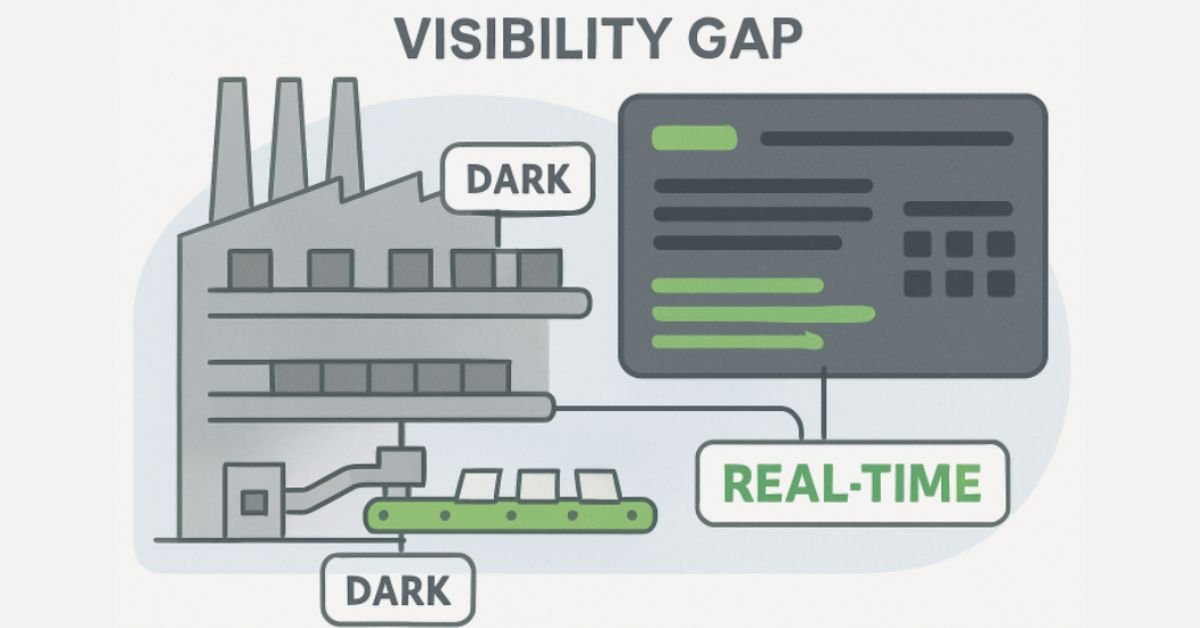
In today’s increasingly competitive and fast-paced landscape, real-time visibility has become an essential element for manufacturing success. Yet, many organizations continue to miss out on critical insights. According to recent studies, only a small fraction—just 16%—of manufacturers have full real-time access to their production processes. As pressures mount to improve efficiency and respond quickly to disruptions, the adoption of advanced manufacturing analytics software solutions is emerging as a powerful remedy, enabling manufacturers to drive better outcomes throughout the entire production lifecycle.
Manufacturing analytics software solutions harness the power of AI, IoT, and integrated data dashboards to illuminate every stage of production, from work-in-progress to delivery. Organizations equipped with these real-time insights outperform competitors by making data-driven decisions, minimizing downtime, and boosting product quality. Businesses of all sizes now recognize that access to comprehensive, actionable data is no longer a luxury—it’s an operational necessity to retain a competitive edge.
Despite this widespread realization, many manufacturers still rely on legacy systems and manual reporting. These outdated approaches inhibit agility, create operational blind spots, and restrict the ability to address emerging issues promptly. For leaders aiming to modernize their manufacturing environment, closing the visibility gap is one of the most impactful steps they can take to transform their operations.
Effective real-time visibility is built on a solid foundation of networked sensors, robust data analytics, and seamless information flows. By integrating advanced technologies across the shop floor and supply chain, companies create a high-performance ecosystem capable of identifying inefficiencies, predicting equipment failures, and consistently ensuring product quality.
The Current State of Manufacturing Visibility
While Industry 4.0 innovations advance rapidly, only a portion of manufacturers have reached a level where real-time, end-to-end operational visibility is standard. A recent Zebra Technologies survey revealed that as little as 16% of global manufacturing leaders have the ability to track work-in-progress in real time across all manufacturing phases. This widespread visibility gap results in lost efficiency, higher costs, and missed opportunities for continual improvement.
Many organizations still resort to periodic manual checks and disconnected software tools, which cannot provide the dynamic operational intelligence required to thrive in volatile environments. Consequently, gaps in knowledge persist, impacting proactive problem-solving, just-in-time inventory management, and the ability to maintain consistency in output quality. To learn more about the current landscape and the obstacles manufacturers face, review Forbes’ perspective on digital transformation in manufacturing.
Bridging the Visibility Gap with Technology
Manufacturers are increasingly leveraging disruptive technologies to bridge these persistent gaps. Solutions powered by the Internet of Things (IoT), Artificial Intelligence (AI), and blockchain facilitate real-time, accurate data collection and ensure its reliability, security, and contextual value. IoT sensors capture equipment status and production metrics as they happen, while AI-driven analytics enable predictive modeling and automated decision execution. Blockchain ensures data integrity across the supply chain, building trust within and between organizations.
When manufacturers invest in these advanced systems, they enable a digital thread running through the entire production process, from procurement to finished goods. This continuous stream of information empowers plant managers and decision-makers on the shop floor and links back-office functions and suppliers to operational realities, creating a resilient, fully integrated manufacturing value chain.
Benefits of Real-Time Visibility
Equipping manufacturing operations with real-time visibility delivers a host of essential advantages:
- Enhanced Decision-Making: Up-to-the-minute data empowers managers to see, analyze, and respond to changes as they happen, making both routine adjustments and big-picture strategic shifts more effective.
- Reduced Downtime: Predictive maintenance and anomaly detection help organizations identify potential issues before they lead to costly breakdowns, preserving productivity.
- Improved Product Quality: Immediate feedback ensures deviations from quality standards are caught and addressed early, lowering defect rates and rework costs.
Case Studies: Success Stories in Real-Time Visibility
Industry pioneers are demonstrating notable gains with real-time analytics and visibility solutions. For instance, Tesla’s commitment to production transparency, predictive analytics, and customer-centric fulfillment has allowed for superior production planning and service outcomes. Similarly, Bosch utilizes an IoT-driven approach to monitor both manufacturing and supply chain movements, supporting optimized schedules and proactive maintenance—clear evidence that data-driven agility leads to operational excellence.
Implementing Real-Time Visibility: Steps to Consider
- Assess Current Systems: Begin by auditing current processes, highlighting areas with insufficient or delayed data.
- Invest in Technology: Deploy IoT sensors and analytics platforms tailored to capture real-time production and operational data.
- Train Staff: Provide comprehensive training so employees can interpret real-time metrics, drive continual improvement, and respond effectively to alerts.
- Monitor and Optimize: Establish processes for ongoing review, measure the impact of visibility, and iteratively enhance tools and systems.
Challenges and Considerations
- Integration Complexity: Merging new technology into entrenched legacy systems requires thoughtful planning and may demand phased implementation to avoid disruptions.
- Data Security: Protecting a wider array of sensitive production data against cyber threats is critical as connectivity expands.
- Cost: While upfront investments can be significant, the improved efficiency, quality, and responsiveness quickly produce a compelling return.
The Future of Manufacturing Visibility
Technology advances show no signs of slowing. Manufacturers are beginning to leverage 5G connectivity, vehicle-to-everything (V2X) communication, and AI-powered self-optimizing systems, extending real-time insights from the plant floor through the supply chain to the end consumer. As these emerging capabilities mature, they will further break down silos, eliminate bottlenecks, and make continuous improvement a daily reality in even the most complex manufacturing environments. With the right technology and a strategic focus on data-driven decision-making, manufacturers of all kinds can achieve the transparency and agility required to thrive in a digital-first industrial era.