
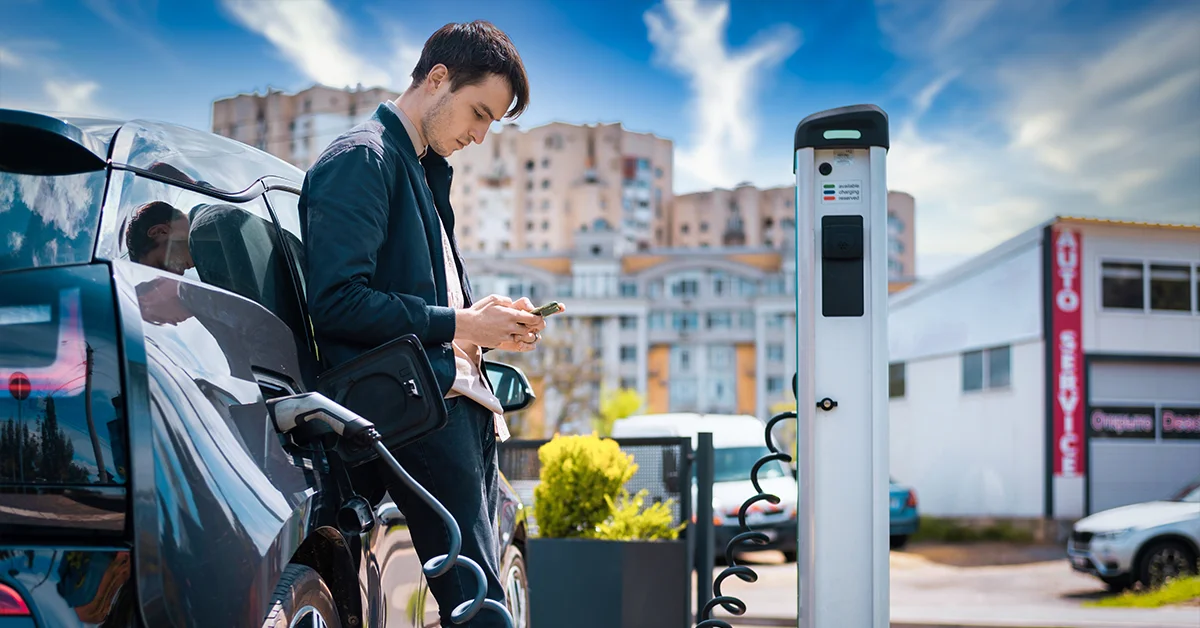
Electric vehicles are becoming a common sight on roads, offering a cleaner and more sustainable mode of transportation. However, installing an EV charging station at home or in a commercial setting isn’t always as simple as plugging in a device. Many properties require electrical service upgrades before a charger can be installed. This is because EV chargers demand a substantial amount of power, and existing electrical systems may not be equipped to handle the additional load safely and efficiently. We will explore the key reasons why a service upgrade is often necessary and what it means for property owners planning to embrace electric mobility.
Understanding the Need for Service Upgrades in EV Charging Installation
Increased Power Demand from EV Chargers
One of the most important reasons a service upgrade is required is the significant power demand of EV chargers. Level 2 charging stations, which are popular for home and business use, typically require 240 volts and can draw anywhere from 20 to 60 amps, depending on the model. Many existing electrical systems, particularly in older homes or buildings, were never designed to handle this additional load in addition to existing appliances, lighting, and HVAC systems. Without sufficient capacity, trying to run a high-powered EV charger can cause circuit breakers to trip frequently or, worse, create overheating hazards. Professional assistance, such as Delaware County electrical services, can ensure that a service upgrade increases the capacity of the electrical panel and guarantees the system can safely and reliably deliver the power needed for both the charger and the property’s existing needs.
Meeting Safety Standards and Electrical Codes
Electrical codes and safety standards are in place to prevent hazards such as electrical fires, shock risks, and equipment damage. When adding a high-load device like an EV charger, these codes often require a reassessment of the entire electrical system. In many cases, outdated panels or wiring may not meet current safety requirements, making a service upgrade mandatory before the charger can be connected. For example, some older panels may not support additional circuit breakers or may use outdated fuse systems that aren’t compatible with modern charging equipment. Upgrading the service not only allows compliance with these regulations but also provides peace of mind knowing the system is operating within safe parameters. This is particularly critical for commercial properties, where compliance is tied to liability and insurance considerations.
Preventing Overloaded Circuits and Electrical Failures
An overloaded circuit occurs when the electrical demand exceeds the circuit’s capacity, which can cause overheating, tripping breakers, or damaging sensitive electronics. EV chargers draw power continuously for several hours at a time, which can push older or undersized electrical systems beyond their limits. A service upgrade addresses this issue by providing additional capacity and dedicated circuits for the charger. This means that the charger operates independently without interfering with other systems, reducing the risk of outages or performance drops in other parts of the property. In residential settings, this can prevent inconveniences such as losing power to appliances during charging. In commercial environments, it helps maintain uninterrupted operations while offering EV charging amenities to customers or employees.
Future-Proofing the Electrical Infrastructure
Even if a property’s current system could technically support a single EV charger, a service upgrade might still be wise to prepare for future needs. The adoption of electric vehicles is accelerating, and many households and businesses will eventually require multiple charging stations. Additionally, as battery technology advances, future chargers may demand even more power for faster charging times. Upgrading the electrical service now creates the capacity for these developments, avoiding the need for multiple disruptive upgrades over time. It also provides flexibility for adding other high-demand devices, such as electric heating systems, energy storage units, or solar power inverters. A forward-thinking approach ensures that the property remains functional, adaptable, and attractive to future buyers or tenants.
Supporting Energy Efficiency and Smart Charging Features
Modern EV chargers often come with smart features that optimize charging schedules, monitor energy consumption, and integrate with renewable energy systems. While these capabilities enhance efficiency and reduce electricity costs, they still require a stable and adequately powered electrical infrastructure to function properly. A service upgrade ensures that the charger operates at its intended efficiency without power fluctuations that could shorten its lifespan or reduce performance. For properties with solar panels or energy storage systems, an upgraded service also facilitates better integration, allowing renewable energy to be directed efficiently toward vehicle charging. This creates a more sustainable and cost-effective charging solution, maximizing the environmental and financial benefits of owning an electric vehicle.
Installing an EV charging station is a significant step toward adopting sustainable transportation, but it often requires more than just purchasing the charger. The high power demands, safety requirements, and long-term considerations associated with EV charging make electrical service upgrades an essential part of the process for many properties. By increasing capacity, ensuring compliance with electrical codes, and preparing for future technology, a service upgrade not only enables safe and reliable charging but also adds long-term value to the property. For homeowners and business owners alike, this investment lays the foundation for a seamless transition to electric mobility while protecting the integrity and efficiency of the electrical system.