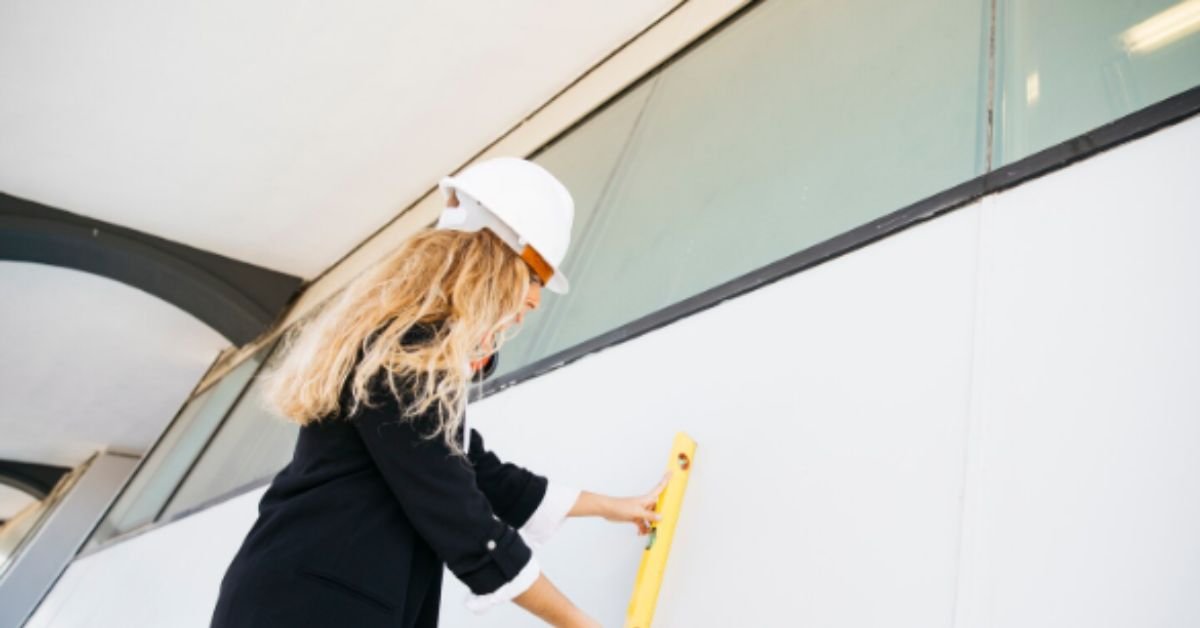
Maintaining a commercial property is an extensive task that requires attention to every detail to ensure both functionality and visual appeal. One critical aspect that greatly contributes to both these elements is commercial caulking. This seemingly minor detail plays a crucial part in the structural integrity and aesthetics of commercial buildings.
What Is Commercial Caulking?
Commercial caulking is the process of applying a sealant to joints, seams and gaps in a building’s construction. It serves to provide a flexible and watertight seal that helps maintain the building’s exterior and interior elements. The correct installation of caulk prevents water and air infiltration, contributes to temperature control, and enhances the building’s overall appearance.
The Significance of Caulking in Building Maintenance
The significance of caulking cannot be overstated. In terms of building maintenance, a properly sealed building is protected from the potential damages caused by water intrusion, such as wood rot, mould growth, and even structural deterioration. Moreover, it plays a vital role in energy efficiency. Buildings with well-sealed windows, doors, and expansion joints are better at keeping heated or cooled air inside, which reduces the energy needed to maintain a comfortable interior temperature.
Inspection and Maintenance: Essential Caulking Practices
Regular inspection is crucial in the maintenance of commercial caulking. Over time, caulk can become brittle, crack, or peel away from surfaces, leading to compromised seals. Maintenance teams should regularly inspect caulking on the building’s exterior, around doors, windows, and any other areas susceptible to moisture penetration or air leaks. Spotting problems early can prevent extensive repairs and ensure that the building’s integrity is not compromised.
Aesthetics and Caulking
Apart from maintenance benefits, the visual aspect of caulking is just as important. Unsightly, aging caulk can detract from a building’s overall appearance. When done correctly, caulking provides a smooth transition between different materials and finishes, contributing to a polished and professional look. This is vital for commercial buildings where first impressions count and the visual aspect can reflect on a business’s brand and reputation.
The Right Products and Application
Selecting the right caulking product is a critical factor in ensuring durability and effectiveness. For commercial caulking in particular, products designed for heavy-duty use are essential. These professional-grade caulks are formulated to withstand extreme temperatures, UV exposure, and other harsh environmental conditions.
Additionally, professional application is just as crucial as the product chosen. Incorrectly applied caulk can lead to poor adhesion, gaps, and eventually, failure of the seal. This underscores the importance of skilled tradespeople who understand the nuances of commercial caulking.
Caulking and Energy Efficiency
Energy efficiency is a prominent concern for commercial buildings owners and managers, and caulking has a direct impact on it. By sealing gaps in the building envelope, less air escapes or enters the building uncontrolled. This means that heating and cooling systems can operate more efficiently, leading to lower energy consumption and costs, as well as a reduced carbon footprint for the building.
Protecting Against External Elements
Protecting a commercial building from the external elements is a constant battle. Caulking acts as the first line of defence against rain, snow, wind, and pests. When the integrity of caulk is maintained, it serves as an effective barrier to these external threats, thereby protecting the overall structure of the building and ensuring the comfort and safety of its occupants.
Caulking as Part of a Regular Maintenance Routine
Incorporating the inspection and maintenance of caulking into a regular building maintenance routine is essential. Facilities managers should establish a schedule that entails checking the condition of existing caulking, removing old or failing caulk and replacing it with new, high-quality sealant as necessary. This proactive approach can save time, money, and resources in the long run by preventing bigger maintenance issues.
Choosing the Right Commercial Caulking Service
Choosing the right service provider for commercial caulking is key to ensuring the work is done effectively and stands the test of time. Professionals in the field will have knowledge of the best products to use for different applications and conditions, as well as the technical know-how to apply them correctly.
One should look for experienced technicians who can efficiently diagnose issues with existing seals and provide recommendations based on the building’s specific needs. A reputable service will be able to offer a tailored approach that meets both the integrity and aesthetic requirements of the property.
Conclusion
Caulking is an often overlooked but essential aspect of commercial building maintenance. It plays a significant role in protecting the structure from various threats while also enhancing its overall appearance. By prioritising high-quality commercial caulking practices and working with experienced professionals, building owners can ensure that their property remains secure, visually appealing, and energy-efficient for years to come.
Ultimately, it’s the small details like caulking that come together to make big differences in the lifespan and functionality of commercial properties. Regular inspections, prompt repairs, and the use of premium materials are all part of the meticulous care that is required to maintain these structures optimally. When these practices are upheld, commercial buildings can stand as testaments to both practical design and architectural beauty.