
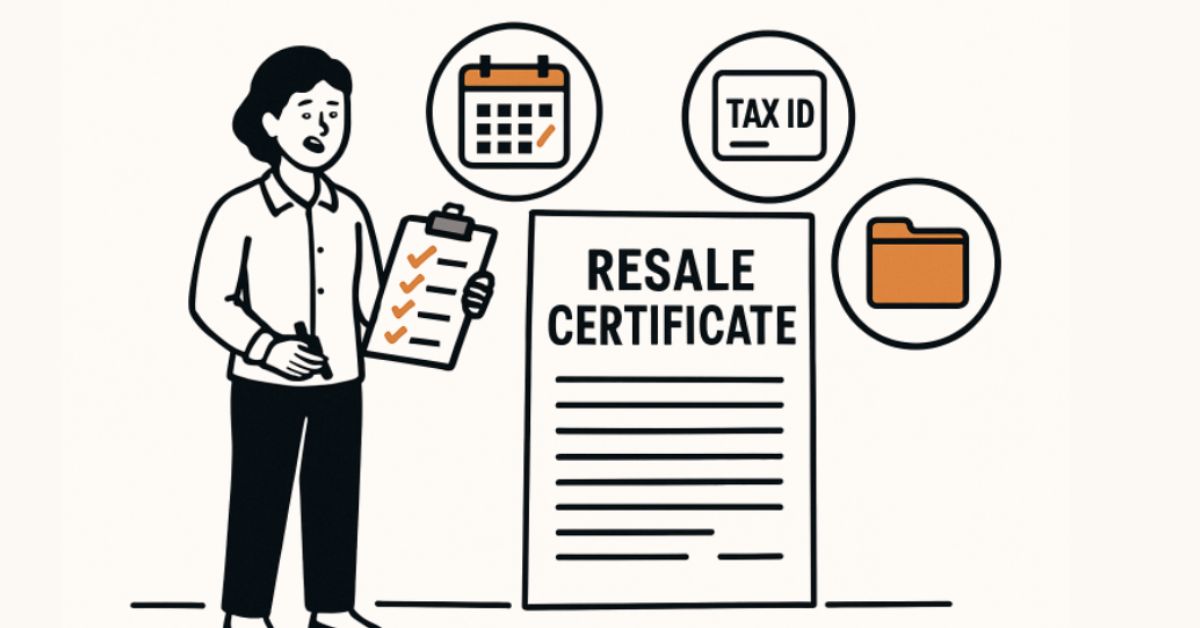
Why Getting Your Resale Certificate Application Right Matters
Applying for a resale certificate allows a business to purchase inventory intended for resale without paying state sales tax at the point of purchase. This process is a significant financial advantage, but it comes with added responsibility. Businesses that do not pay attention to every detail during the application process risk denied applications, future audits, and fees. The state-specific rules can be complex, and even established business owners can fall into costly traps.
For those operating in or selling to Texas, the first step is ensuring you follow the proper process to apply for Texas resale certificate as state law requires. Each state has nuanced requirements, and skipping the research or relying on outdated information can lead to application rejection or compliance issues. Most states now have increased scrutiny on such applications, using technology to flag even minor inconsistencies quickly.
Common Mistakes When Applying for a Resale Certificate
Common mistakes businesses make include submitting incomplete business documentation, missing or incorrect Tax ID numbers, and unclear business names or addresses. Another frequent pitfall is misunderstanding the distinction between resale goods and internal business use items. If a business claims a resale exemption on things like office supplies or furniture, this can trigger a compliance investigation or penalties.
Failure to check the expiration dates or misunderstanding which purchases are eligible can also cause headaches, which sometimes do not surface until a sales tax audit discovers irregularities. In many cases, businesses underestimate the importance of double-checking their applications before submission.
Step-by-Step Guide to a Smooth Application Process
- Review your state’s regulations. Requirements differ, so check what products can be purchased tax-free and how often you renew your certificate.
- Gather current business documentation. Ensure all documents (business registration, Tax ID, and state licenses) are active and correct.
- Carefully fill in the forms. Every field must be reviewed for accuracy: addresses, legal business names, and relevant tax ID numbers must match the supporting documentation exactly.
- Keep robust records. Store both digital and physical copies of applications and approved certificates. Sound filing systems help with future audits or supplier checks.
- Proactively communicate with suppliers. Ensure your suppliers accept your certificate type and are clear on its terms, as their compliance may rely on the information provided.
Consequences of Application Errors
The consequences for errors can be severe: delays in acquiring inventory, surprise tax assessments, or even loss of supplier relationships. News outlets report state revenue departments are increasing enforcement, often conducting audits powered by advanced data analytics. Retailers and wholesalers who consistently fail to provide correct, current certificates frequently face back taxes, penalties, or loss of resale privileges—directly impacting revenue.
How to Stay Compliant and Avoid Pitfalls
- Schedule at least annual internal reviews of your resale certificate records and application details for accuracy and timeliness.
- Regularly train purchasing staff to distinguish between qualified resale items and ineligible business use purchases. This helps prevent accidental misuse and associated fines.
- Subscribe to bulletins or news releases from your state’s taxation department to stay updated about rules or documentation requirements changes.
- Meticulously document each transaction involving a resale certificate, noting certificate numbers and dates to demonstrate due diligence during audits.
Real-World Examples: Mistakes and Model Practices
A regional apparel retailer neglected certificate renewals, resulting in a large uncollected taxes bill and penalties after a sales tax audit. The issue could have been avoided by setting reminders and checking expiration dates. In contrast, a similar-sized competitor used a monthly checklist to verify certificates and supplies, consistently passing audits, maintaining supplier relationships, and ensuring compliance. Their systematic record-keeping and awareness of legal changes helped avoid fines and operate efficiently.
Final Thoughts: Ongoing Education and Proactive Compliance
Applying for and maintaining a resale certificate is necessary to enhance business profitability when appropriately managed. Staying organized, investing time up front in documentation, and consulting authoritative resources for updates ensure continued compliance and strong working relationships with suppliers and state authorities. A methodical approach—regular reviews, thorough training, and awareness of evolving regulations—provides peace of mind and protects your business from the pitfalls that have challenged many others. Whenever uncertainties arise, do not hesitate to seek advice from state tax agencies or licensed professionals.