
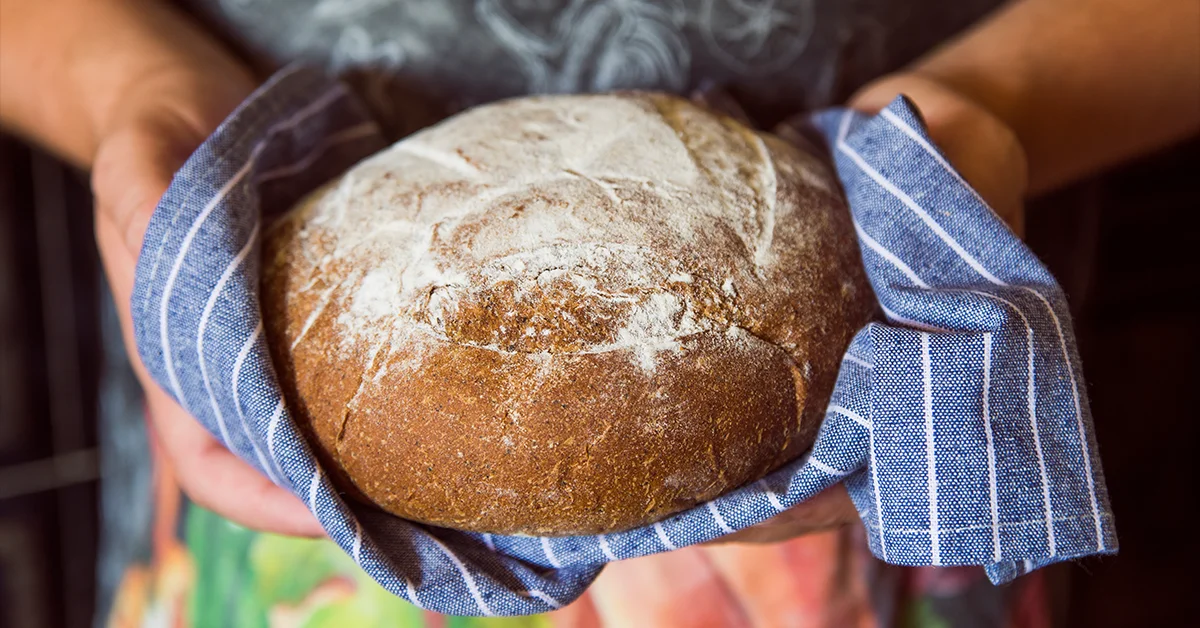
There’s something undeniably special about How To Store Sourdough Bread—the tangy flavor, the chewy crust, and the soft, airy crumb inside. Whether you bake it yourself or buy it from a bakery, sourdough bread feels like a little piece of art. But the moment you bring it home, the question arises: how do you keep that fresh, just-baked goodness alive for as long as possible? Sourdough bread, like most bread, tends to dry out or go stale pretty quickly if not stored correctly. The good news? With the right techniques, you can extend its freshness and enjoy it slice after slice.
In this article, we’ll dive into practical, easy-to-follow tips on how to store sourdough bread so it stays fresh longer, tastes better, and wastes less. From choosing the right storage method to common mistakes to avoid, we’ve got you covered. Let’s get started!
TRENDING
Breaking Down 9784445700: What You Should Know
Why Proper Storage Matters For Sourdough Bread
Before we get into the how, it’s useful to understand the why. Sourdough bread is unique because it’s naturally fermented, which gives it that distinctive flavor and texture. But because it’s free of preservatives (a good thing!), it’s also more prone to drying out and going stale if stored improperly.
The crust is delicate—it can lose its crunch and become tough or soggy. The crumb can dry out or become gummy. Storing sourdough bread the right way ensures you maintain that perfect balance between a crisp crust and a soft inside.
Best Practices For Storing Sourdough Bread
Let the Bread Cool Completely Before Storing
If you just baked your sourdough, the first rule is to let it cool down fully before storing. Bread continues to release moisture as it cools. Wrapping or storing it while still warm traps steam inside, making the crust soggy and encouraging mold growth. Cooling on a wire rack for at least an hour is ideal.
Use the Right Storage Method Based on How Soon You’ll Eat It
Short-Term Storage (1-2 days):
- Paper Bag or Bread Box: For eating within a day or two, a paper bag or a dedicated bread box works best. Paper allows the bread to breathe, keeping the crust crispy while preventing excessive drying out. Avoid plastic bags for short-term storage, as they trap moisture and make the crust soft.
- Cloth Bag or Kitchen Towel: Wrapping your sourdough in a clean, dry kitchen towel or storing it in a cotton bread bag is another great way to balance moisture retention and airflow.
Medium-Term Storage (3-4 days):
- Plastic Bag (with care): If you plan to consume the bread within 3 to 4 days, placing it in a plastic bag at room temperature can help keep moisture inside. However, this will soften the crust. To revive the crust when ready to eat, briefly heat the bread in the oven.
- Bread Box: A bread box with good ventilation can help maintain freshness for a few days.
Long-Term Storage (More than 4 days):
- Freezing: The best way to keep sourdough fresh for longer than a few days is to freeze it. Slice the bread beforehand so you can thaw only what you need. Wrap tightly in plastic wrap or aluminum foil and place it in a freezer bag. When ready to eat, thaw at room temperature or toast slices directly from frozen.
Avoid Refrigeration for Storing Sourdough Bread
Contrary to what many believe, storing sourdough bread in the refrigerator is generally a bad idea. The fridge environment speeds up starch retrogradation—the process where starch molecules crystallize and cause bread to stale faster. This results in dry, crumbly bread much sooner than if left at room temperature or frozen.
Reviving Stale or Softened Bread
If your sourdough bread starts to lose its crust or becomes a bit stale, all is not lost. You can refresh it:
- Oven Revival: Preheat your oven to 350°F (175°C). Lightly spritz the bread with water, then wrap it loosely in foil and heat for about 10-15 minutes. For a crustier result, remove the foil during the last few minutes.
- Toaster or Toaster Oven: Slices can be toasted directly to bring back crispness and warmth.
Tips To Prevent Mold Growth
Since sourdough bread contains no preservatives, mold can develop if stored in humid or airtight conditions.
- Store bread in a cool, dry place.
- Avoid keeping it in plastic bags at room temperature for more than a day or two.
- Freeze extra bread if you won’t finish it quickly.
- Check your bread daily if stored outside, and discard any moldy bread immediately.
Eco-Friendly And Practical Storage Options
- Reusable Cotton or Linen Bread Bags: These are breathable and washable, making them a sustainable choice.
- Bread Boxes Made from Wood or Metal: These often have ventilation holes to balance airflow and humidity.
- DIY Bread Bags: Using clean kitchen towels or pillowcases can work just as well in a pinch.
How To Store Different Forms Of Sourdough Bread
- Whole Loaf: Wrap in a cloth or paper bag for short-term, freeze for long-term.
- Sliced Bread: Store slices in an airtight container or freezer bag, ideally frozen if not used quickly.
- Crusty Artisan Loaves: Keep crust crispy by using breathable storage like paper bags and warming before eating.
- Soft Sourdough Sandwich Bread: Plastic bags can maintain softness but soften the crust, so warming may be needed before eating.
Final Thoughts
Knowing how to store sourdough bread properly means you get to enjoy its wonderful flavor and texture longer, with less waste and more satisfaction. Whether you’re a sourdough baking enthusiast or just someone who loves good bread, these storage tips will keep your loaves fresh and delicious.
Remember, the key is balancing moisture and airflow: too much moisture leads to sogginess and mold, while too little dries the bread out. With a little attention and the right method, your sourdough bread can stay fresh for days, or even weeks if frozen.
ALSO READ: Unlocking New Adventures: A Fresh Take On Dwarf Fortress Mods
FAQs
What is the best way to store sourdough bread to keep it fresh?
The best way depends on how soon you’ll eat it. For short-term (1-2 days), use a paper bag or bread box. For longer storage, freezing sliced bread in airtight packaging preserves freshness best.
Can you store sourdough bread in the fridge?
It’s not recommended because refrigeration speeds up staling by causing the bread’s starch to crystallize. Room temperature or freezing are better options.
How long does sourdough bread stay fresh at room temperature?
Generally, sourdough stays fresh for 2-4 days at room temperature when stored properly in breathable packaging like a paper bag or cloth.
How do you thaw frozen sourdough bread?
Thaw slices at room temperature or toast them directly from frozen for convenience and freshness.
Why does sourdough bread go stale faster than other breads?
Because sourdough typically contains no preservatives and has a more open crumb structure, it’s more susceptible to moisture loss and staling if not stored correctly.