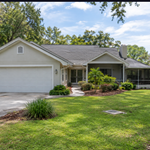

Living in a high-cost-of-living (HCOL) area can feel like both an exciting opportunity and a daunting challenge. Whether you’ve recently moved to a bustling city like New York or San Francisco, or you’re simply considering a move to one of these expensive locales, the reality of higher rent, groceries, transportation, and overall lifestyle costs can quickly hit home.
But don’t worry! Thriving in a HCOL area is not only possible—it can also be incredibly rewarding. From job opportunities to social experiences, there are unique benefits to living in cities that come with a hefty price tag. The key to making it work is learning how to manage your expenses, optimize your lifestyle, and find ways to make the most of your environment without letting costs overwhelm you.
In this blog post, we’ll dive deep into actionable tips, creative strategies, and practical advice that can help you thrive in a high-cost area without sacrificing your financial health or happiness. Let’s explore how to navigate HCOL areas like a pro!
TRENDING
10 Iconic Sabrina Carpenter Outfits You’ll Want To Copy ASAP
What Is HCOL?
Before we dive into the tips, it’s essential to understand what HCOL (High-Cost of Living) means. HCOL refers to cities or regions where the general expenses for housing, food, transportation, healthcare, and other basic necessities are significantly higher than the national average. These areas typically offer higher wages, but the cost of living can quickly eat into your income. Major cities like New York, San Francisco, and Los Angeles are classic examples of HCOL areas.
Now that we’ve set the stage, let’s explore how to make living in a HCOL area more manageable and, dare we say, enjoyable.
Embrace The Power Of Budgeting
One of the most effective ways to thrive in a HCOL area is by mastering the art of budgeting. While this may seem obvious, many people underestimate how vital it is to plan and track their expenses.
Create a Realistic Budget
Start by breaking down your income and expenses to identify where your money is going. Use budgeting apps like Mint or YNAB (You Need A Budget) to keep track of your spending habits. Make sure to allocate money for essentials like rent, utilities, transportation, and groceries, but don’t forget to include savings goals and fun activities too!
Prioritize Needs Over Wants
In a HCOL area, it’s crucial to distinguish between needs and wants. While it’s tempting to dine out frequently or shop for the latest trends, cutting back on non-essentials can help you maintain financial stability. Instead, focus on making conscious decisions about where your money goes, and try to keep lifestyle inflation in check.
Find Affordable Housing Solutions
Housing is typically the biggest expense in a HCOL area. Here are a few tips on how to find affordable options:
Consider Smaller Spaces or Shared Housing
While it may be tempting to rent a large apartment, smaller units or shared housing can significantly reduce your rent. Consider moving into a studio or a one-bedroom apartment in a less central neighborhood, or look for a roommate to split the costs.
Explore Up-and-Coming Neighborhoods
Instead of living in the heart of a pricey district, explore emerging neighborhoods that are still close to the action but offer more affordable rent. These areas often have lower rents but are quickly growing in popularity due to improved amenities, transportation, and job opportunities.
Negotiate Your Lease
Don’t be afraid to negotiate with landlords. If you’ve been a reliable tenant or are willing to sign a longer lease, you may be able to secure a better rate. This can be especially helpful in areas with high turnover, where landlords are eager to lock in tenants for a longer period.
Maximize Your Income Potential
One of the reasons people are drawn to HCOL areas is because of the potential for higher-paying job opportunities. But even if your salary is higher, the costs can quickly eat away at your paycheck. To make the most of your income, consider these tips:
Look for Additional Income Streams
Consider side gigs, freelance work, or part-time opportunities that align with your skills. Platforms like Upwork, Fiverr, and TaskRabbit allow you to pick up freelance work in areas like writing, design, and even delivery services. These additional income streams can help you offset the higher cost of living.
Negotiate Your Salary
If you’re already employed, don’t hesitate to negotiate your salary or ask for a raise, especially if you’ve taken on additional responsibilities or have grown your skillset. In HCOL areas, employers often understand that workers need a higher salary to meet the cost of living, so there may be room to negotiate.
Develop High-Demand Skills
Focus on developing skills that are in demand in your industry. Whether it’s tech, healthcare, or marketing, investing in skill development can help you stand out in the job market and increase your earning potential over time.
Cut Costs On Everyday Expenses
While your rent may be set, there are plenty of other ways to save money on everyday expenses. Here are some simple, effective tips to help you reduce costs:
Use Public Transportation or Bike
In many HCOL areas, public transportation is both efficient and cost-effective. Rather than paying for parking or relying on rideshare services, consider investing in a transit pass or cycling to work. It’s not only more affordable, but it can also help you maintain a healthy lifestyle.
Shop Smart for Groceries
Grocery prices can be much higher in HCOL areas, so it’s essential to be strategic when shopping. Look for discount stores, bulk items, and local farmers’ markets to find affordable options. Meal planning can also help reduce food waste and prevent impulsive purchases.
Take Advantage of Free or Low-Cost Activities
In HCOL areas, entertainment and activities can often come with a hefty price tag. However, many cities offer free or low-cost cultural events, community gatherings, and outdoor activities. Check local event calendars for opportunities to experience new things without breaking the bank.
Be Strategic With Your Social Life
While socializing is important, it’s also crucial to be mindful of how much you’re spending on dining out, events, and entertainment. Here are some ideas for maintaining a social life without overspending:
Host Potlucks or Game Nights
Rather than going out to expensive restaurants or bars, invite friends over for a potluck dinner or game night. This way, you can still enjoy the company of friends without spending a fortune on meals and drinks.
Take Advantage of Free or Discounted Events
Many cities offer free or discounted events, such as outdoor concerts, art gallery openings, or film screenings. Keep an eye on local event listings to find fun, affordable things to do with friends.
Choose Happy Hours and Food Deals
If you do decide to go out, look for happy hour specials or food deals that offer discounts on drinks and meals. Many bars and restaurants in HCOL areas provide these discounts during off-peak hours, which can save you a significant amount of money.
Build A Supportive Community
Living in a HCOL area can be isolating if you’re new to the city or don’t have a strong social network. Building connections is crucial for both emotional well-being and financial support. Here’s how you can create a solid support system:
Join Local Meetups or Social Groups
Whether you’re into fitness, art, or hiking, there are likely local meetup groups that align with your interests. Join these groups to meet people who share your passions and expand your network in the city.
Connect with Other Transplants
Many people in HCOL areas are transplants just like you. Don’t hesitate to reach out to others who might be going through similar experiences. Building relationships with fellow newcomers can provide a sense of camaraderie and make living in an expensive area feel more manageable.
Conclusion
Living in a high-cost area may come with its challenges, but it can also offer unmatched opportunities. By being strategic with your finances, prioritizing your needs, and embracing the local culture, you can not only survive in a HCOL area—but thrive. The key is planning ahead, being adaptable, and finding balance between enjoying the perks of your new home and managing your expenses wisely.
If you’re ready to take on the challenge, use these tips to navigate your HCOL experience with confidence. Before you know it, you’ll have learned how to make the most of everything a high-cost city has to offer—without breaking the bank.
ALSO READ: Discovering Oronova: The Future Of Innovation In One Word
FAQs
What is a High-Cost of Living Area (HCOL)?
A high-cost of living area (HCOL) refers to a location where the average expenses for housing, food, transportation, healthcare, and other essential goods and services are significantly higher than the national average. Examples include cities like New York, San Francisco, and Los Angeles.
How do I find affordable housing in an HCOL area?
To find affordable housing, consider looking in up-and-coming neighborhoods, smaller apartments, or shared housing situations. Negotiating your lease or considering a longer-term commitment may also help reduce rent costs.
What are some good side hustles for HCOL areas?
Side hustles such as freelancing, delivering for services like Uber or DoorDash, or taking up part-time gigs on platforms like Fiverr or TaskRabbit can be lucrative ways to increase your income in high-cost cities.
Can I thrive in a high-cost area on a moderate salary?
Yes, it’s entirely possible to thrive on a moderate salary in a HCOL area if you budget effectively, prioritize needs over wants, minimize unnecessary expenses, and maximize income opportunities like side gigs or freelance work.
How can I save money on groceries in expensive cities?
Shop at discount stores, buy in bulk, and take advantage of local farmers’ markets. Planning meals in advance can also help reduce food waste and prevent you from overspending on impulse buys.