
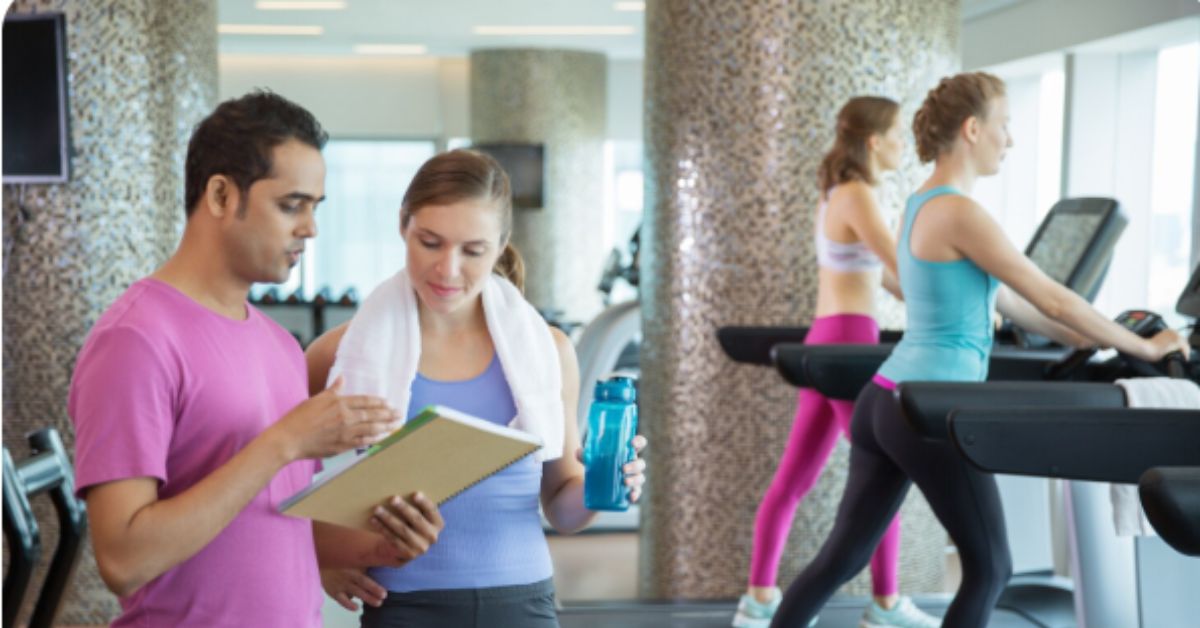
Modern country club fitness environments deliver more than access to equipment; they help people cultivate physical health, boost mental clarity, and find meaningful social connections. By stepping into a fitness center, you engage with a space thoughtfully designed to help you become the best version of yourself through workouts and by creating routines that serve your whole self long after you leave the gym.
Enrolling in a fitness center offers an effective route to achieving personal health goals, providing an atmosphere conducive to sustained lifestyle change. These environments are designed to support every part of your wellness journey, whether your focus is on weight management, stress relief, or simply maintaining a healthy routine. Facilities now integrate a range of self-care practices, mental health support, and inclusive community spaces, all of which make it easier for members to pursue a balanced, fulfilling sense of wellbeing—encompassing mind, body, and spirit.
Physical Health Benefits
At the core, fitness centers are designed to help people move, get stronger, and build healthy habits that influence every aspect of their daily experience. Whether running on the treadmill, lifting weights, or taking a yoga class, these activities improve cardiovascular health, increase muscle tone, and improve flexibility. Regular participation in diverse exercise routines also boosts immune function and enhances energy levels throughout the day. According to the Centers for Disease Control and Prevention, adults should engage in at least 150 minutes of moderate-intensity aerobic activity weekly to reduce the risk of chronic illness and maintain vitality as they age. This guideline is a helpful benchmark to ensure that fitness becomes a consistent, integral part of life rather than an occasional pursuit.
Using specialized equipment and attending group fitness sessions can provide accountability and structure, helping even beginners achieve progress and overcome plateaus. Many centers offer customized programs led by personal trainers, ensuring members receive expert guidance tailored to their unique needs and abilities. The diversity of offerings at most centers can aid in injury prevention, support weight management, and improve posture and overall mobility, contributing to a more substantial, resilient body. Additionally, regularly scheduled health screenings and workshops at some facilities add another layer of proactive health maintenance, further safeguarding against preventable conditions and promoting lifelong health.
Mental Health Enhancement
Physical fitness and mental well-being are deeply interconnected, with current research showing how exercise is a powerful tool to reduce anxiety, alleviate depression, and boost self-esteem. Activities that raise your heart rate help stimulate the production of endorphins—often called the ‘feel-good’ hormones—that have natural mood-lifting properties. Today, many fitness centers recognize the value of mental health, supplementing physical activity with meditation sessions, relaxation lounges, and stress management workshops. Some even provide quiet spaces for mindfulness breaks, or offer access to guided breathing exercises and yoga for emotional regulation.
Fitness professionals are increasingly seeking credentials related to mental health, such as certifications from the Mental Wellbeing Association, better to support their clients’ needs in a holistic fashion. This demonstrates a broader industry trend: fitness is no longer viewed as a standalone pursuit but as an integral component of overall mental resilience and happiness. Access to resources like support groups, mental wellness coaches, or even therapy referrals within the fitness center environment reflects a new standard of care that respects the full spectrum of human wellbeing.
Community and Social Connections
For many, the fitness center is more than a place to work out; it’s a social hub where friendships form and encouragement abounds. Participating in group fitness classes, working with personal trainers, or attending community fitness events offers ample opportunity to meet people with similar interests, share achievements, and pursue goals together. These social interactions help establish accountability and make exercise more enjoyable, which can dramatically increase commitment and consistency.
A Harvard Health Publishing article highlighted the importance of social connection. The article notes the strong link between positive relationships and improved health outcomes, including lower stress, reduced risk of chronic illness, and longer life expectancy. Fitness centers often facilitate extra opportunities for connection, such as wellness workshops, support groups, and social nights, solidifying their role as pillars of community health and happiness.
Holistic Wellness Programs
To support the full spectrum of health, modern fitness centers now include resources that go well beyond exercise alone. Nutrition counseling services offered by registered dietitians can help members develop healthy eating habits, create personalized meal plans, and better understand the role of food in energy, recovery, and disease prevention. Facilities focused on holistic wellbeing often provide mental health check-ins, life coaching sessions, or even access to alternative therapies such as light therapy and acupuncture—expanding the range of support available under one roof. Wellness education events, cooking classes, and workshops on stress resilience or balanced sleep are becoming more common, giving members all the tools they need to build lifelong healthy habits.
One leading example is the George Wellbeing Center, whose innovative model incorporates multiple self-care opportunities to address everything from sleep hygiene to dietary choices. By integrating these multidisciplinary resources, fitness centers are paving the way for a new kind of comprehensive wellness that lifts the entire community, not just individual members.
Inclusive and Accessible Environments
Creating an inclusive space is central to the modern fitness center’s mission, reflecting a commitment to serve people of all ages, backgrounds, and abilities. This means featuring wheelchair-accessible equipment, adaptive group classes for individuals with mobility limitations, and quiet, judgment-free zones where everyone can feel comfortable regardless of body type, fitness level, or background. Facilities may offer programs specifically tailored for older adults, teens, beginners, or those new to exercise, ensuring that no one is left behind or made out of place.
Staff are increasingly trained in cultural competency and accessibility standards, making it easier for people with disabilities or unique health needs to enjoy all membership benefits. The sense of belonging fostered by these environments encourages members to embrace positive life changes. It empowers them to stay engaged with their wellness routines, regardless of where they are in their fitness journey.
Technological Integration
Technology has revolutionized how members interact with fitness centers, bridging the gap between in-person and remote experiences. Many facilities now feature personalized mobile apps for tracking workout progress, scheduling classes, accessing guided meditations, and even participating in virtual group sessions from the comfort of home. Artificial intelligence-driven wellness tools can offer customized workout routines that evolve as your fitness improves, removing guesswork and ensuring ongoing progress. Furthermore, mental health platforms integrated into gym memberships may provide resources such as virtual therapy sessions, mindfulness tips, or stress relief strategies on demand.
According to the New York Times, these digital solutions are making health and fitness advice more accessible than ever, whether you’re a beginner seeking guidance or an athlete looking to optimize performance. Technology also allows fitness centers to personalize experiences for each member and foster continual engagement, even for those with busy schedules or who prefer hybrid routines.
Conclusion
The modern fitness center is no longer just a place for physical transformation—it is a comprehensive wellbeing destination designed for everyone. By thoughtfully blending physical exercise with community support, mental health resources, holistic wellness programs, innovative technology, and a welcoming, inclusive environment, fitness centers empower people from all walks of life to lead healthier, more connected, and more satisfying lives. Taking advantage of these varied benefits can help anyone build a foundation for lasting health and happiness, making the fitness center a vital part of their wellness.