
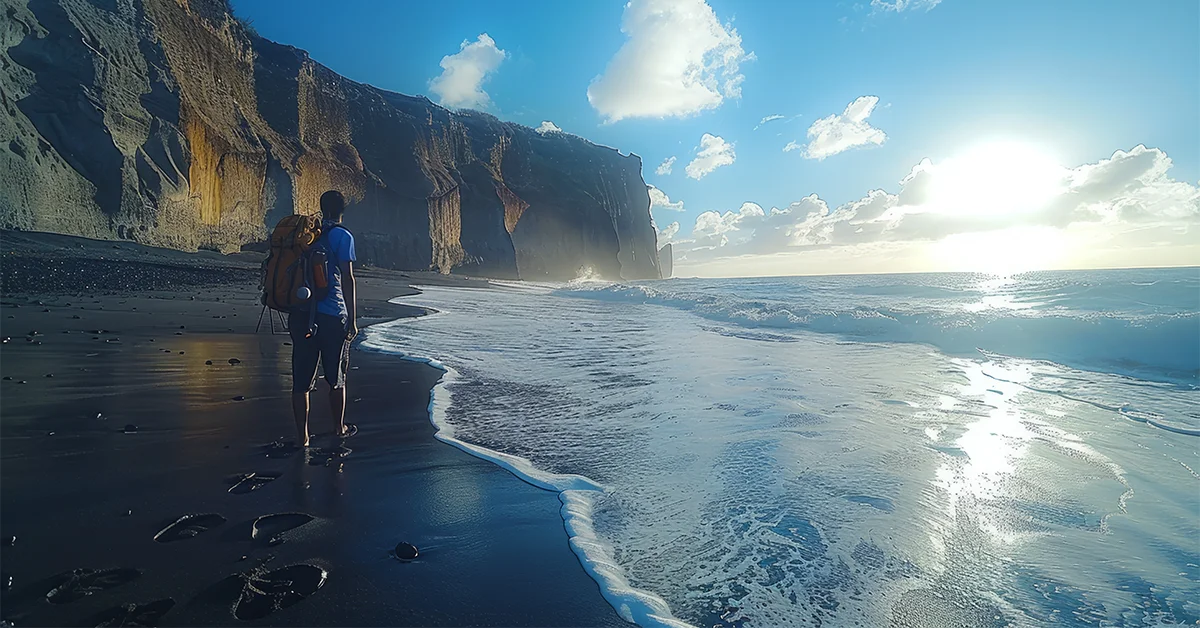
When you imagine the ocean, what comes to mind? Perhaps gentle waves brushing the shoreline, the glimmer of sunlit water, or the distant call of seabirds. But the ocean is far more than what we see on the surface. Beneath that serene blue mirror lies a vast, mysterious world—one so deep, complex, and alive that even scientists have explored only a fraction of it. This is where the idea of the Oceanic 5 comes in. It represents the five major layers of the ocean, each with its own personality, ecosystem, and hidden wonders. Think of them as the ocean’s five chapters—a story written in currents, pressure, light, and life.
we will explore these five layers from a fresh, human-centered perspective, understanding not just what they are but why they matter, how they shape life on Earth, and what they reveal about our connection to the sea.
TRENDING
Battleaxe MM2: What Makes This Weapon So Iconic?
Understanding The Oceanic 5
Before we dive into each layer, let’s briefly look at what the “Oceanic 5” refers to:
Epipelagic Zone (Sunlight Zone)
Mesopelagic Zone (Twilight Zone)
Bathypelagic Zone (Midnight Zone)
Abyssopelagic Zone (Abyss)
Hadalpelagic Zone (The Trenches)
These layers are divided based on depth, pressure, sunlight availability, and the type of life that can survive there. Each layer tells a fascinating story of adaptation, survival, and natural beauty.
The Epipelagic Zone — The Sunlit Playground
Where Life Bursts With Color
The Epipelagic Zone, also known as the Sunlight Zone, extends from the surface down to about 200 meters. This is the ocean layer most familiar to us—where snorkeling, swimming, and most marine tourism happen. Sunlight floods this region, allowing photosynthesis to thrive.
Here, you’ll find:
- Colorful coral reefs
- Playful dolphins
- Speeding tuna
- A kaleidoscope of fish and plant life
It’s a bright, bustling ecosystem where life flourishes in vibrant abundance.
A Fresh Perspective: The Surface Isn’t Simple
Though this layer seems familiar, it is also delicate. Tiny phytoplankton floating here produce nearly half of Earth’s oxygen. The health of this zone affects global weather, carbon cycles, and the stability of marine food webs.
The next time you stand by the shore, remember: beneath that surface lies one of the world’s most crucial life-support systems.
The Mesopelagic Zone — The Twilight Frontier
Where Darkness Begins
Descending between 200–1,000 meters, the Mesopelagic Zone marks the beginning of darkness. Here, light fades into a dim blue, and temperatures drop significantly.
The creatures of this twilight world are masters of adaptation. Many possess bioluminescence, glowing in soft blues and greens to communicate, hunt, or distract predators.
Some iconic residents include:
- The lanternfish
- Hatchetfish
- Viperfish
- Glass squid
It’s a place where evolution becomes incredibly creative.
Why This Zone Matters More Than You Think
Often overlooked, the Mesopelagic Zone may hold the largest biomass of fish on Earth. These fish perform daily vertical migrations, rising at night to feed near the surface and retreating at dawn to avoid predators.
This movement helps regulate global carbon cycles—and potentially influences climate stability. The Twilight Zone is more than mysterious; it’s essential.
The Bathypelagic Zone — The Midnight Kingdom
A Realm of Eternal Night
Between 1,000–4,000 meters lies the Bathypelagic Zone, commonly called the Midnight Zone. No sunlight reaches this depth. The water is near freezing, and pressure is intense—hundreds of times greater than at the surface.
Yet life continues.
Here, creatures often look bizarre to human eyes. Their bodies are soft, lacking rigid structures because extreme pressure would crush them. Their eyes, if they have them, are tiny or adapted to detect faint bioluminescent flashes.
Fascinating creatures include:
- The fangtooth fish
- Sperm whales (who dive deep to hunt giant squid)
- Anglerfish with glowing lures
The Midnight Zone’s Secret Role
Although it feels like an alien world, the Midnight Zone plays a central role in Earth’s nutrient cycles. Organic matter from the upper layers drifts down like snow—called marine snow—feeding creatures that live in perpetual darkness.
Survival here is a study in resilience and efficiency, reminding us that life adapts to even the harshest environments.
The Abyssopelagic Zone — The Silent Abyss
Life at the Edge of the Impossible
From 4,000–6,000 meters, we enter the Abyssopelagic Zone, or simply, the Abyss. This is one of the least explored places on Earth. The pressure is immense, the cold nearly absolute, and the darkness unbroken.
But even here, life finds a way.
You’ll find:
- Sea cucumbers
- Basket stars
- Giant isopods
- Abyssal octopuses
These animals survive on scarce nutrients and have evolved slow metabolisms, translucent bodies, and extraordinary survival strategies.
A Layer That Reveals Earth’s Hidden Stability
The Abyss is where ancient sediments settle, slowly accumulating like pages of a planetary history book. Every grain tells a story—volcanic eruptions, climate shifts, drifting organisms, and much more.
Scientists study these layers to understand Earth’s past and predict its future.
The Hadalpelagic Zone — The Trench Of Extremes
Journey to the Deepest Places on Earth
Below 6,000 meters lie the trenches—home to the Hadalpelagic Zone. These extreme depths, such as the Mariana Trench, reach nearly 11,000 meters.
Imagine the pressure: It’s equivalent to dozens of jumbo jets stacked on a single human body. Yet life continues to astonish us.
Creatures here include:
- Snailfish that thrive at unimaginable pressures
- Amphipods the size of human hands
- Microorganisms capable of digesting chemicals toxic elsewhere
A Frontier Humans Are Only Beginning to Understand
Exploration of this zone is limited due to its hostile conditions. But every expedition unveils new knowledge—unique species, unknown geological formations, and insights into life’s ability to adapt.
The Hadal Zone pushes the boundaries of our understanding of biology, geology, and evolution.
Why The Oceanic 5 Matter To Us All
A Global Climate Engine
The ocean layers absorb carbon, distribute heat, and regulate global temperatures. Without them, Earth would be uninhabitable.
A Source of Food and Livelihood
Billions of people depend on ocean ecosystems for food, jobs, and culture. The health of the Oceanic 5 directly impacts human life.
A Mirror Reflecting Our Choices
Pollution, overfishing, and climate change reach every layer—from floating plastics in the Sunlight Zone to microplastics found in the deepest trenches.
Understanding the Oceanic 5 isn’t just a scientific journey—it’s a call to protect the planet that sustains us.
Viewing The Oceanic 5 Through A Fresh Lens
What makes the journey through the Oceanic 5 truly special is the perspective it gives us:
- The surface reminds us of beauty and abundance.
- The twilight zone teaches balance and mystery.
- The midnight zone reveals resilience.
- The abyss shows the quiet power of stability.
- The trenches show life’s ability to adapt beyond imagination.
Rather than seeing the ocean as one giant, blue mass, viewing it through these five layers helps us appreciate its structure, complexity, and importance.
Conclusion
The ocean is more than a landscape—it’s a living system, a global heartbeat, and a reminder of our connection to the planet. The Oceanic 5 give us a framework to understand that the ocean is not one space but many worlds layered together in harmony.
From the sunlit surface to the lightless trenches, every layer tells a story of survival, adaptation, and wonder. And now, with a fresh perspective, the next time you stand at the shore or watch the waves, you’ll know you’re looking into a universe with depths we are only beginning to understand.
ALSO READ: Mastering The Shadows: Monster Hunter Nargacuga Guide
FAQs
What is the Oceanic 5?
The Oceanic 5 refers to the five major layers of the ocean: the Epipelagic, Mesopelagic, Bathypelagic, Abyssopelagic, and Hadalpelagic zones. These layers are defined by depth, pressure, temperature, and light availability.
Which ocean zone has the most marine life?
The Epipelagic Zone contains most of the ocean’s visible marine life due to abundant sunlight and thriving plant growth. However, the Mesopelagic Zone may hold the largest overall fish biomass.
How deep is the deepest ocean layer?
The Hadalpelagic Zone can reach down to nearly 11,000 meters in ocean trenches, making it the deepest region on Earth.
Why don’t humans explore deep ocean areas often?
Extreme pressures, low temperatures, and complete darkness make deep-sea exploration technologically challenging and expensive, limiting human access.
What makes each ocean zone unique?
Each zone has distinct temperature ranges, pressure levels, light availability, and ecosystems. These differences create unique adaptations in the creatures that inhabit each layer.