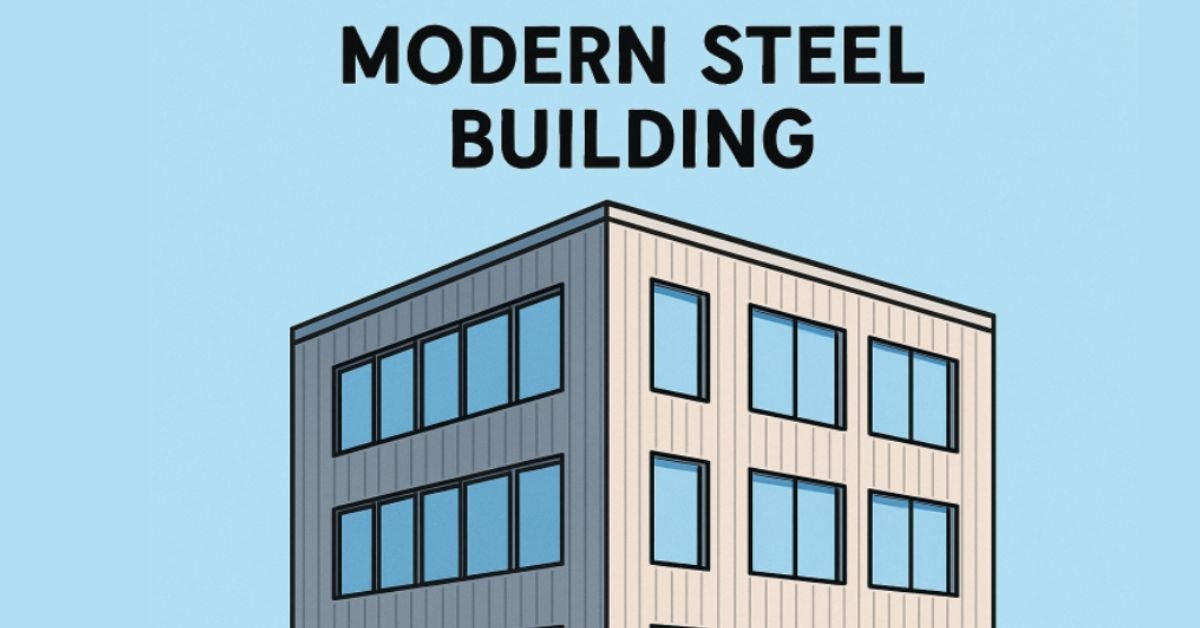
In the evolving construction landscape, steel buildings have rapidly gained prominence for their durability, sustainability, and flexibility. The use of steel as a primary construction material is no longer limited to industrial warehouses or factories. Modern architecture increasingly embraces steel structures for their versatility and cost advantages, ushering in a new era in contemporary building design.
These advancements in construction technology are helping shape a more efficient and environmentally conscious industry. As developers, architects, and property owners continue to seek innovative and reliable solutions for their projects, steel buildings play a pivotal role in addressing these demands. Understanding why steel structures stand out can help stakeholders make informed decisions that deliver long-term value and performance.
Traditional building materials no longer constrain the flexibility of steel, enabling designers to be more creative. Custom architectural features, expansive open interiors, and seamless expansions are increasingly feasible due to advances in steel engineering. This design freedom confirms steel’s integral role across various project types, from commercial developments to public spaces.
Moreover, the environmental profile of steel buildings aligns with broader efforts to promote energy efficiency and responsible material use in the construction industry. Many modern builders actively choose steel to minimize the carbon footprint of development projects.
For those exploring even broader construction options, metal buildings offer similar advantages, extending the benefits of steel to a variety of uses, including residential and agricultural settings. The ability to adapt both steel and metal structures for numerous applications ensures their relevance well into the future.
Durability and Longevity
One of steel’s core strengths in modern construction is its unmatched durability. Steel resists common forms of deterioration such as rot, termite damage, and mold growth, allowing for low-maintenance structures even in harsh climates. Additionally, steel’s inherent fire resistance surpasses that of most traditional building materials, making it a particularly reliable option for safety-conscious developers. These advantages culminate in structures that can remain operational and in good condition for decades, lowering total ownership costs for property managers and owners. The U.S. Department of Energy has recognized steel’s long lifecycle and resilience, which can translate directly into greater return on investment over time.
Design Flexibility
The strength-to-weight ratio of steel allows engineers and architects to push creative boundaries. Floor plans can incorporate large open spaces without the need for interior columns, making them ideal for offices, gyms, event centers, and more. Furthermore, steel’s flexibility makes it simple to alter or expand existing buildings. Whether retrofitting a commercial space or adding rooms to a residential structure, modifications are generally straightforward and cost-effective.
Sustainability
As sustainability becomes an integral part of construction standards, steel’s recyclability stands out. Most newly manufactured steel contains a high percentage of recycled material, while steel from demolished structures can be reused or repurposed. Steel buildings are often designed with energy efficiency in mind, incorporating insulation systems and daylighting to reduce energy consumption. Modern steel facilities can also be designed to meet LEED certification requirements, reflecting growing industry emphasis on sustainable development practices.
Cost-Effectiveness
Steel building systems are typically manufactured in controlled environments to exact specifications and then transported to the site for on-site assembly. This approach reduces material waste, limits errors, and ensures a high degree of quality control. Labor costs are significantly cut because steel components are prefabricated and arrive ready for rapid assembly, which is especially advantageous for projects with tight deadlines or minimal allowable disruption.
Speed of Construction
Quick turnaround is a hallmark of steel construction. Since components are produced off-site and assembled efficiently, the overall project duration is often much shorter than with traditional methods. Fast construction timelines allow businesses to occupy new spaces sooner, reduce financing costs, and minimize exposure to adverse weather delays.
Enhanced Safety and Resilience
Steel buildings are engineered to withstand severe conditions, including high winds, heavy snow loads, and even seismic activity. Fire resistance is another crucial benefit. The material does not ignite, and specially treated steel offers additional protection even under intense heat. These safety standards make steel buildings a preferred choice in regions where extreme weather or natural disasters are a concern.
Versatility Across Applications
Today’s steel buildings are not limited to industrial or commercial spaces. The adaptable nature of steel enables it to be used in retail plazas, schools, recreational centers, agricultural buildings, and even homes. Its versatility helps meet a broad spectrum of architectural needs for modern communities.
Conclusion
Steel buildings represent the future of efficient, flexible, and sustainable construction. With significant advances in durability, cost management, and design adaptability, steel structures meet the demands of modern building projects worldwide. Builders and stakeholders looking for reliable, long-term solutions should carefully consider the proven advantages of steel and metal building systems for projects of any scale.