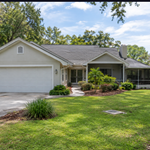

Buying a home is about more than bedrooms, finishes, and the asking price. The neighborhood affects your commute, routines, monthly expenses, recreation options, privacy, and future flexibility. For buyers beginning a search in the Flathead Valley, Kalispell, MT Homes for Sale is a property-search resource from Heidi Lane, a Kalispell-based real estate professional with local knowledge of home types and community differences across Kalispell, Whitefish, Bigfork, Lakeside, Columbia Falls, and nearby areas. Reviewing available listings alongside neighborhood details can help buyers identify the locations that fit both their budget and lifestyle.
Why the Neighborhood Matters
A home is part of a larger setting. Two houses with similar square footage and prices can create very different living experiences because of street layout, traffic patterns, nearby services, noise, views, recreation, and future development. One buyer may value walking access to downtown shops, while another may prefer acreage, separation from neighbors, and a quieter drive home. Location also influences convenience and resale appeal. A property close to employment centers, medical care, grocery stores, parks, and well-used transportation routes may make everyday life easier. The goal is not to find a universally “best” neighborhood. It is about finding a place that supports how you live now and how you expect to live over the next several years.
Start With Your Daily Routine
Compare neighborhoods through the lens of an ordinary week, not just a showing appointment. Map the actual drive to work, school, childcare, medical appointments, grocery stores, and the places you visit often. If you work remotely, fast highway access may matter less than dependable internet service, a quiet home office, or nearby places to take a break during the day.
Questions to Ask
- How long is the commute during typical morning and evening traffic?
- How convenient are parks, trails, restaurants, and community spaces?
- Will the location work for pets, children, aging parents, or a growing household?
- Does the route remain practical during snow, ice, heavy rain, or tourist-season traffic?
A buyer may gladly choose a smaller home if it saves meaningful time every weekday. Another may accept a longer drive in exchange for more land, mountain views, workshop space, or greater privacy. Neither choice is wrong when it reflects clear priorities.
Compare the Full Cost of Living
List price is only one part of affordability. Before narrowing your search, estimate the full monthly cost for each neighborhood. Include mortgage principal and interest, property taxes, homeowners’ insurance, possible flood or hazard coverage, HOA dues, utilities, snow removal, routine maintenance, and added fuel or vehicle costs from a longer commute. The Consumer Financial Protection Bureau’s homebuyer tools can help buyers compare loan choices, understand Loan Estimates, and prepare for closing costs. Reviewing these figures early creates a more realistic budget and reduces the chance that an appealing home becomes financially uncomfortable after closing.

Review Home Types and Community Feel
Each neighborhood may offer a different mix of homes and responsibilities. Established areas can include mature trees, larger lots, distinctive architecture, and older systems that require closer inspection. Newer communities may offer modern layouts, energy-efficient features, shared amenities, and less immediate maintenance, although they can also have HOA rules or ongoing construction nearby.
- Compare older homes with new construction.
- Consider single-family homes, townhomes, and condominiums.
- Decide whether you want a large yard or a lower-maintenance outdoor space.
- Ask about parking, storage, renovation history, and the age of major systems.
- Review community rules, exterior-maintenance duties, and rental restrictions.
Visit at Different Times
A peaceful afternoon showing may not reveal weekday congestion, evening noise, parking pressure, drainage issues, or road conditions. Visit more than once whenever possible. Drive through on a weekday morning, return during the evening commute, and take time to walk nearby streets on a weekend. Pay attention to road noise, construction activity, aircraft, lighting, sidewalk conditions, street upkeep, and how water appears to move through the area. A respectful conversation with nearby residents can also provide useful, practical insights into seasonal conditions, neighborhood routines, and services that are not obvious in a listing.
Check Risk, Zoning, and Future Changes
Property research should include factors that affect safety, insurance, access, permitted uses, and future value. This is especially important for rural, waterfront, hillside, or fast-growing locations. Review flood zones and drainage patterns, wildfire exposure, emergency access, shared roads, utility arrangements, easements, road projects, and nearby development proposals. For flood-related research, the FEMA Map Service Center provides access to official flood map information. Buyers should also ask local professionals and the appropriate city or county offices about zoning, short-term rental rules, building limitations, and planned land-use changes affecting a specific property.
Build a Neighborhood Scorecard
Use the same categories for every area you are considering. Assign a score from one to five, then write a short note explaining the score. This method helps you compare practical trade-offs instead of relying on memory after multiple showings.
- Location: Does it fit your work, school, shopping, and healthcare routine?
- Budget: Are the full ownership costs manageable?
- Lifestyle: Does it provide the recreation, privacy, services, or walkability you want?
- Home Condition: Do the typical homes match your maintenance and repair tolerance?
- Future Fit: Will the neighborhood still work if your needs change?
A scorecard is a decision aid, not a substitute for inspections, disclosures, financing review, or professional advice. A lower-scoring neighborhood may still be the better choice if it succeeds in the categories that matter most to you.
Use Research Before Making an Offer
Neighborhood research supports a more thoughtful offer strategy. Confirm that the home fits the area’s typical price range, review recent comparable sales, ask about seller disclosures, and budget for immediate repairs and seasonal upkeep. Consider days on market and competing interest, but do not waive important inspection or financing protections simply because a property feels exciting.
Conclusion
A successful home search is about finding the right fit rather than chasing the most popular neighborhood or the most eye-catching listing. The strongest choice is usually the one that aligns with your budget, daily routine, comfort level, and long-term goals. Taking time to visit neighborhoods more than once, compare total ownership costs, evaluate local risks, and consider future resale potential provides a clearer picture of what living there will actually be like. Using a simple comparison scorecard can also help you weigh trade-offs objectively, making the final decision more confident, practical, and less influenced by first impressions or pressure to act quickly.