
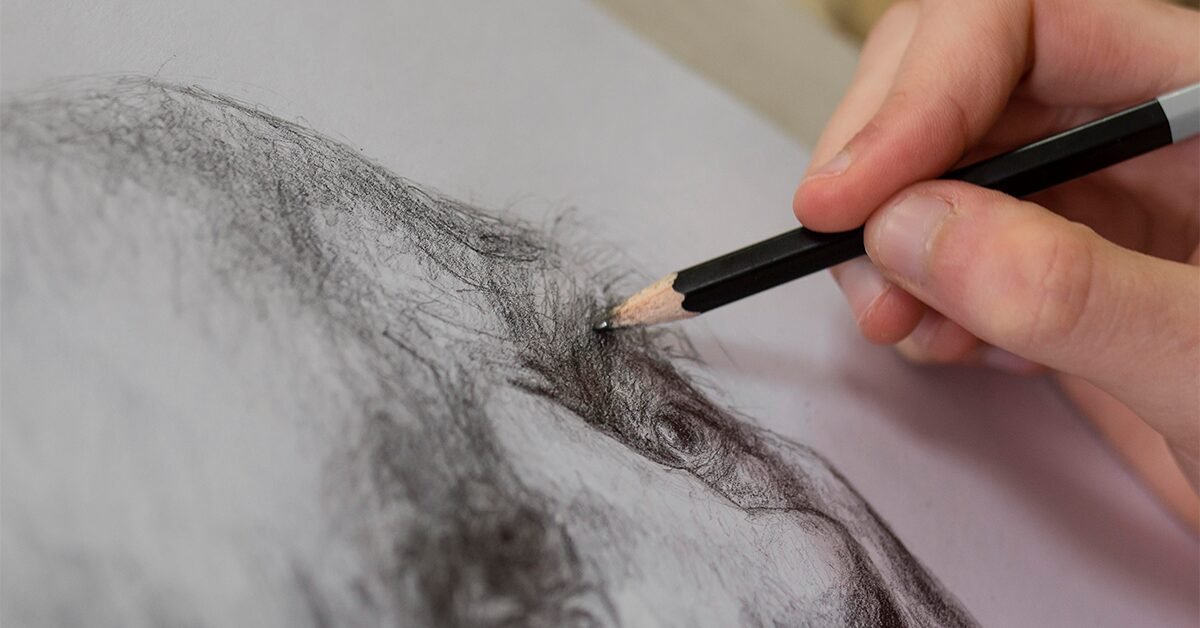
When it comes to creating realistic and compelling figure drawings, mastering anatomy drawing reference is a game changer. Whether you’re a beginner artist or someone looking to refine your skills, understanding the human body’s structure can elevate your sketches from simple outlines to dynamic, lifelike representations. In this blog post, we’ll explore practical tips to help you use anatomy references effectively, enabling you to create accurate, confident sketches every time.
TRENDING
What Steve Jobs Still Teaches Us About Innovation Today
Why Mastering Anatomy Drawing Reference Matters
If you’ve ever struggled with drawing the human form, you’re not alone. The human body is complex — muscles, bones, and joints interact in intricate ways that can be challenging to capture on paper. That’s why studying anatomy through references is crucial. It gives you a roadmap to understand proportions, movement, and the subtle details that bring your art to life.
Using anatomy drawing references doesn’t mean copying photos mechanically. Instead, it means observing, analyzing, and internalizing the structure so you can sketch from memory or imagination with accuracy and fluidity.
Getting Started: Choosing The Right Anatomy Drawing References
Not all references are created equal. To master anatomy drawing, you need sources that are clear, accurate, and varied. Here are some tips to find the best references:
Use High-Quality Anatomy Books and Online Resources
Classical anatomy books like “Anatomy for Sculptors” by Uldis Zarins or “Figure Drawing for All It’s Worth” by Andrew Loomis offer detailed visuals and explanations. Online platforms like Proko.com provide excellent video tutorials and reference images focused on anatomy.
Collect a Diverse Range of References
Study different body types, ages, and ethnicities. This diversity helps you understand how anatomy varies in real life, making your drawings more inclusive and realistic.
Utilize 3D Anatomy Apps and Tools
Apps like Anatomy 3D or Zygote Body allow you to rotate and zoom in on anatomical structures. These interactive tools are invaluable for grasping spatial relationships between muscles and bones.
Tips For Accurate Anatomy Sketches
Now that you have your references, how do you use them to improve your sketches? Here are some practical tips:
Start With Basic Shapes and Proportions
Before diving into muscle details, block out the figure using simple shapes like cylinders for limbs and ovals for the torso. Pay attention to the overall proportions — the relationship between head size and body length, limb lengths, and joint placement.
Learn the Skeleton First
Understanding the skeleton is fundamental. The bones form the framework of the body, defining posture and movement limits. Practice drawing the skeleton from various angles to internalize how the bones connect.
Study Muscle Groups in Layers
Muscles overlap and wrap around the skeleton in layers. Focus on major muscle groups first (like the deltoids, pectorals, and quadriceps), then add secondary muscles. This layered approach helps you understand volume and form.
Observe How Muscles Change With Movement
Muscles contract, stretch, and bulge depending on the pose. Use dynamic references to study these changes. Sketching people in action — running, lifting, or stretching — can teach you a lot about muscle behavior.
Use Light and Shadow to Define Form
Anatomy isn’t just about lines; it’s about volume. Practice shading your sketches to show muscle curvature and bone protrusions. This gives your drawings depth and realism.
Practice Gesture Drawing Regularly
Gesture drawing helps you capture the essence and flow of a pose quickly. It trains your eye to see the body’s movement and rhythm, making your anatomy sketches more lively and natural.
Combine Imagination With Observation
After studying references, challenge yourself to draw from imagination. This solidifies your understanding and makes you less dependent on references over time.
Common Mistakes To Avoid When Using Anatomy Drawing References
Even with great references, some pitfalls can hamper your progress. Watch out for these common mistakes:
- Over-Detailing Too Soon: Jumping into muscles before getting the structure right leads to inaccuracies.
- Copying Without Understanding: Simply tracing or copying reference images won’t help you learn anatomy.
- Ignoring Proportions: A beautiful muscle detail is useless if the overall figure is out of proportion.
- Drawing Stiff Poses: Avoid static poses; aim for natural, fluid gestures.
- Relying Too Much on One Source: Use multiple references to get a well-rounded understanding.
Tools And Techniques To Enhance Your Anatomy Drawing
Aside from choosing good references, your drawing tools and techniques also influence your results.
Use Graphite Pencils of Different Grades
Softer pencils (2B-6B) are excellent for shading and creating smooth transitions, while harder pencils (H-2H) help with clean, light lines during initial sketches.
Work on Quality Paper
A smooth, heavyweight sketch paper allows better blending and prevents smudging.
Employ Digital Tools If You Prefer
Digital drawing tablets and software like Procreate or Clip Studio Paint offer layers, undo options, and anatomy brushes, making it easier to practice and refine.
Use Light Boxes or Tracing for Practice
Tracing over anatomy references can help you understand form, but don’t rely on it entirely. Use tracing as a study method, not a final drawing technique.
Building A Consistent Practice Routine
Mastering anatomy drawing reference requires regular practice. Here are some ideas to keep you motivated:
- Set aside 30 minutes daily for anatomy sketches.
- Join online figure drawing sessions or local life drawing classes.
- Keep a sketchbook dedicated to anatomy studies.
- Review your past sketches to track improvement.
- Experiment with different poses, lighting, and mediums.
Final Thoughts
Mastering anatomy drawing reference is a rewarding journey that will dramatically improve your art. With patience, consistent practice, and the right approach to studying anatomy, your sketches will gain accuracy, vitality, and expressiveness. Remember, it’s not about perfect copying but understanding the human form deeply enough to bring it to life on your canvas.
ALSO READ: Drawing Life: How To Perfect Your Human Anatomy Sketch
FAQs
Anatomy drawing reference refers to the use of images, models, or tools that depict the human body’s structure—bones, muscles, and joints—to guide artists in creating accurate and realistic figure drawings.
Focus on studying the skeleton first, then muscles, practice gesture drawing, use high-quality references, and maintain a consistent sketching routine.
Yes! They let you view anatomical structures from any angle, helping you understand spatial relationships and improving your drawing accuracy.
It’s better to study and analyze references rather than copy them exactly. Aim to understand the structure so you can draw confidently from memory or imagination.
It varies per individual but expect several months to years of regular practice. The key is consistency and gradual learning.