The future of agriculture holds a significant focus on sustainability and efficiency. Amidst the challenges of climate change and the unyielding demand for food production, innovative technologies are shaping a new era in farming. One such technology at the forefront of this revolution is the solar powered pump, which offers a sustainable and cost-effective solution for irrigation—the lifeline of agriculture.
The Imperative of Sustainable Irrigation
Water is the centrepiece of any successful farming operation. Effective irrigation systems are critical for ensuring crop vitality, maximising yields, and conserving water resources. As the world becomes more environmentally conscious, sustainable irrigation practices are not merely ideal; they are becoming a necessity.
Challenges Faced by Traditional Irrigation
Conventional irrigation systems dependent on fossil fuels or grid electricity are becoming less viable. The increasing cost of energy, coupled with the environmental impact of carbon emissions, makes these systems problematic. Farmers face the dual pressure of reducing their carbon footprint while maintaining profitable operations.
Enter Solar Powered Irrigation
Enter the solar powered pump, an elegant solution to these challenges. By harnessing the power of the sun, these pumps facilitate the environmentally responsible distribution of water for agricultural purposes without reliance on conventional energy sources.
The Mechanism of Solar Pumps
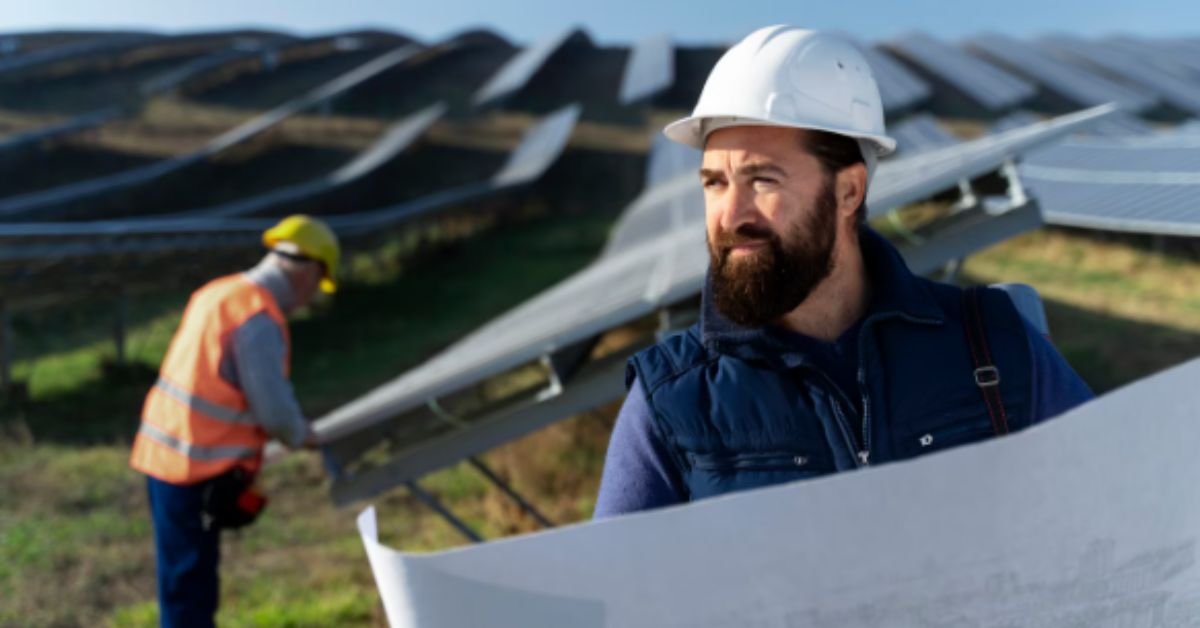
The principle behind a solar powered pump is straightforward. Solar panels capture sunlight and convert it into electrical energy, which powers the pump. This pump then draws water from its source—be it a well, borehole, lake, or canal—delivering it to the crops.
This technology affords farmers independence from the grid whilst reducing operational costs over time. After the initial investment in the system, exposure to the sun’s rays, a resource in abundant supply in many farming regions, is cost-free.
Advantages of Solar Powered Irrigation
The benefits of integrating solar powered pumps into farming practises are manifold. They range from environmental advantages to financial savings, to implications for social and economic development.
Environmental Benefits
Solar pumps are inherently green. They emit no greenhouse gases, consume no fuel, and have a minimal carbon footprint. Moreover, they conserve water by enabling precise irrigation, an urgent consideration in areas facing water scarcity.
Economic Savings
The initial setup cost of a solar powered pump is offset by the profound energy savings over time. When compared to fuel-driven pumps, the reduction in operational costs is significant, offering a lifeline to smallholder farmers and large-scale agricultural operations alike.
Reliability and Maintenance
Solar pumps are known for their durability and relatively low maintenance requirements. The lack of moving parts in the solar panels and the simplicity of the overall system reduce the likelihood of breakdowns and the cost associated with repairs.
The Potential for Rural Development
Beyond the mere provision of water, solar powered pumps have the potential to catalyse rural development. With improved irrigation comes increased productivity and food security, which can alleviate poverty and stimulate economic growth in farming communities.
Feasibility and Accessibility
Access to electricity is a significant barrier for many rural farmers around the world. The independent nature of solar pumps makes them an attractive option for remote areas, bypassing the need for electrical infrastructure.
Considerations for Adoption
While the advantages are compelling, there are considerations to be made when adopting solar powered irrigation systems. The suitability of solar pumps depends on local geographical and climatic conditions. Regions with ample sunshine are best suited for their effective operation.
Educational Outreach
Education and technical support are crucial for ensuring the successful implementation of solar irrigation systems. Farmers must be equipped with the necessary know-how to operate and maintain their solar equipment efficiently.
Concluding Thoughts
As we navigate the complexities of creating a sustainable future for agriculture, the solar powered pump stands out as a transformative tool for modern farming. By integrating renewable energy into irrigation practices, farmers can safeguard the environment, bolster economic resilience, and contribute to a more sustainable global food system.
Adopting solar powered irrigation is more than just a trend; it is a reflection of the farming sector’s commitment to innovation and sustainability. As technology continues to advance, the scope for solar powered pumps in agriculture can only be expected to broaden, casting light on a thriving future for farms the world over.
In conclusion, harnessing solar energy for irrigation offers a sustainable, efficient, and forward-thinking approach to water management in agriculture. It is incumbent upon the farming community, technology providers, policy-makers, and financial institutions to collaborate, ensuring the widespread implementation of solar pumps, ultimately fostering an environmentally responsible and economically viable future for farming.