
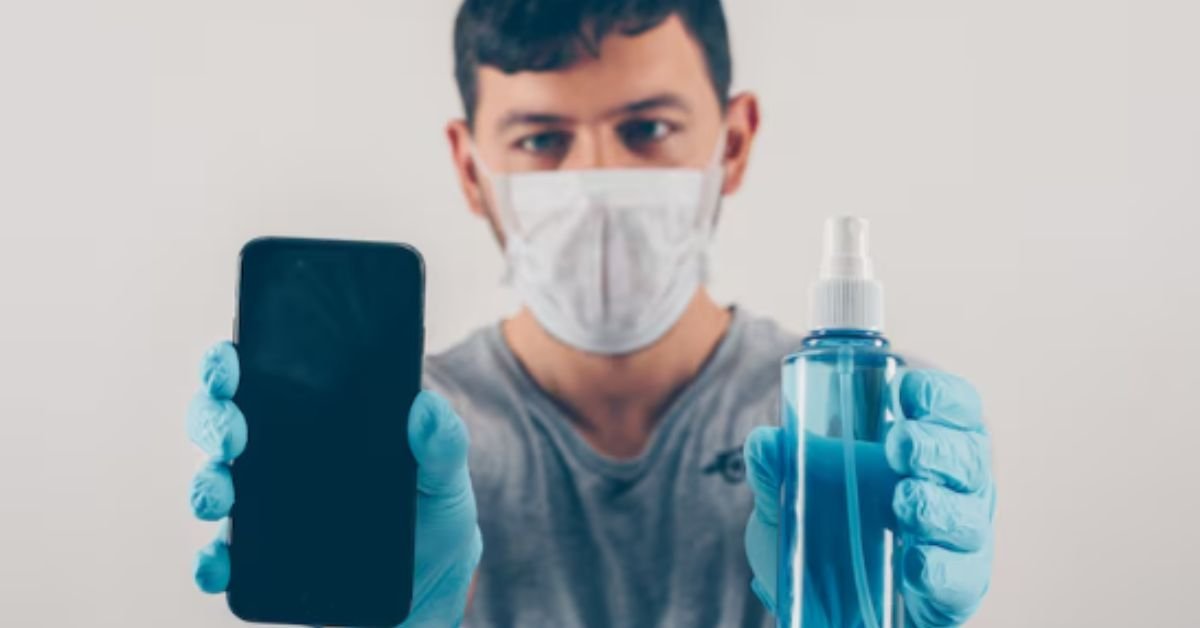
With the pervasive use of digital devices in our daily lives, from smartphones to tablets, the importance of protecting these gadgets cannot be overstated. As screens have become more sophisticated and feature-rich, they have also become more susceptible to damage, inadvertently putting personal and professional data at risk. The benefits of employing screen protectors are multifaceted, offering not just protection from physical damage but also enhancing privacy and reducing glare.
Understanding Screen Protectors
A screen protector is a layer of material—typically tempered glass or plastic—that adheres to the device’s screen, serving as a barrier against the world. It mitigates the risks associated with daily use, such as scratches and dents from keys or coins, as well as more serious threats like drops or direct impacts. In the current market, screen protectors can also offer additional features such as anti-glare or privacy filters, making them an indispensable accessory for any digital device owner.
The Types of Screen Protectors
Screen protectors come in different types and each serves a unique purpose. Tempered glass protectors provide a high level of protection against impact, replicating the feel of the original screen. On the other hand, plastic film protectors offer basic scratch resistance and are often more affordable. Some are designed to reduce reflections and fingerprints, promoting a clear display and ease of maintenance.
Installation and Maintenance
Proper installation is critical to the functionality of a screen protector. It is essential to clean the device’s screen thoroughly before application to avoid air bubbles and dust particles getting trapped. Most screen protectors come with an installation kit and instructions to ensure a perfect fit. Maintenance of a screen protector involves regular cleaning with a soft, microfiber cloth to maintain clarity and responsiveness.
Advantages of Using Screen Protectors
The primary advantage of using a screen protector is to safeguard the device’s screen. However, the benefits extend beyond the obvious. For instance, a screen protector can enhance screen visibility by reducing glare from sunlight or harsh indoor lighting. Additionally, some screen protectors come with privacy filters that limit the angle from which the screen is visible, thereby protecting sensitive information from prying eyes.
Another merit relates to the resale value of the device. Maintaining the device in pristine condition is likely to yield a higher resale value. A screen protector, in this regard, acts as an investment by preserving the quality of the device’s most vulnerable and vital component—the screen.
Users who spend significant time on their devices can also attest to the comfort that some screen protectors can offer. Protectors with anti-blue light properties can alleviate eye strain associated with prolonged screen time, thus supporting better overall eye health.
Evaluating the Right Protector for Your Device
Choosing the right screen protector involves evaluating the specific needs of the user and the device. Key factors include the level of protection desired, the type of device, and any additional functionality, such as anti-glare coatings or privacy features. It’s also important to consider the quality and brand reputation to ensure the protector is reliable and durable.
Screen Protector Longevity
A screen protector’s longevity can vary widely based on its material quality and how the device is treated. It’s prudent to inspect the protector regularly for any signs of wear or damage. While high-quality tempered glass protectors can last a long time, they are not immortal and should be replaced once compromised to guarantee continued protection.
Recommendations and Best Practices
The market offers a plethora of options when it comes to screen protectors. However, opting for reputable brands and those that offer warranties can be advantageous. Furthermore, following the manufacturer’s instructions for application and maintenance will maximise the protector’s life span.
Financial Investment in Screen Protection
Investing in a screen protector is akin to buying insurance for your device. The initial cost of a protector is a fraction compared to the potential repair costs of a damaged screen or the replacement of the device altogether. With this risk-reward analysis, the argument for employing a screen protector becomes compelling.
Environmental Considerations
Today’s consumers are more environmentally conscious than ever. It’s noteworthy that by extending the life of devices through the use of screen protectors, the need for frequent replacements is reduced, thus contributing to lower electronic waste output—a positive step for the environment.
Conclusion
In summary, the need for screen protection in an increasingly digital world is irrefutable. The use of screen protectors is a simple, effective measure to maintain device integrity, safeguard data, and promote device longevity. By selecting the appropriate protector and adhering to best practices, users can ensure their digital companions are shielded against the rigours of daily use.
With the vast array of options available, users are empowered to tailor their screen protection to their specific needs—be it heightened durability, anti-glare properties, or privacy safeguards. The foresight in selecting a distinguished protector and its meticulous application can significantly enhance the user experience and maintain the value of the investment in personal technology.