
Introduction
Choosing the right solution for missing teeth is crucial for long-term oral health, confidence, and comfort. Modern dentistry offers dental implants and dentures, each with its own advantages. Factors like lifestyle, bone health, and financial situation can influence which path is right for you. Full mouth dental implants Louisville KY, provide a modern approach that closely mimics natural teeth in function and aesthetics. Patients weigh durability, comfort, cost, and long-term oral health when choosing between dentures and dental implants. Understanding the differences in daily wear, maintenance, and their impact on well-being can help make an informed decision.
Understanding Dental Implants
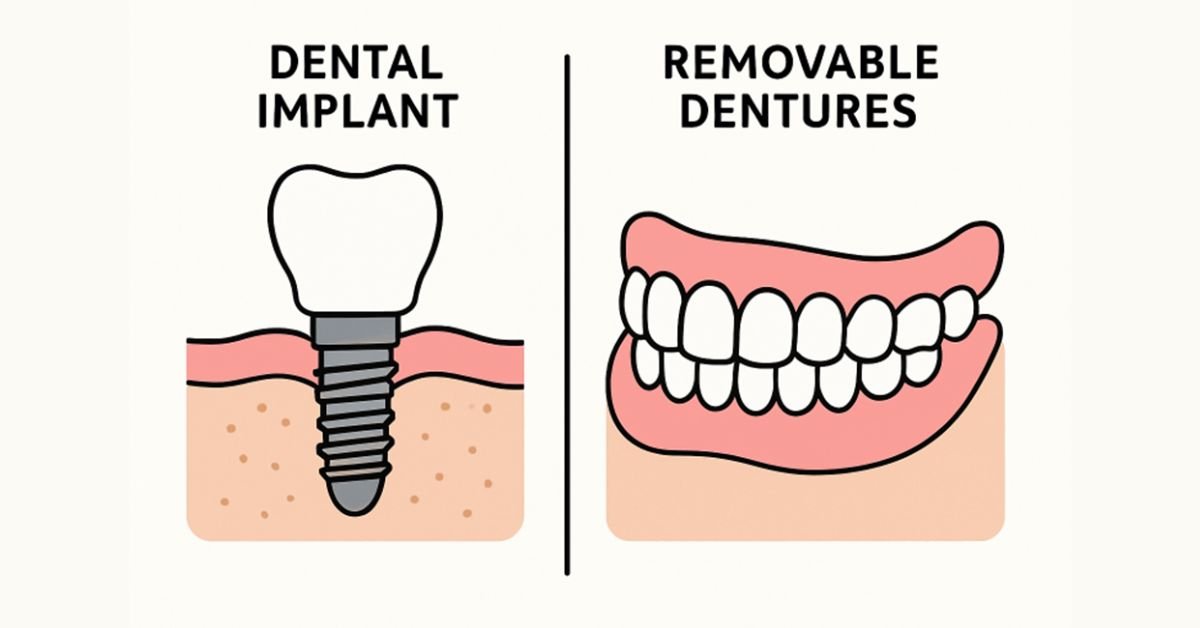
Dental implants are a modern and reliable solution for tooth loss. Comprised of biocompatible titanium posts surgically placed into the jawbone, implants function as artificial roots to support crowns, bridges, or full sets of replacement teeth. The result is a restoration that is stable, durable, and exceptionally lifelike. Not only do implants help patients regain the ability to chew and speak confidently, but they also preserve the underlying jawbone and prevent bone loss.
Exploring Dentures
Dentures are custom-made, removable appliances designed to replace missing teeth and restore oral function and aesthetics. There are two main types: complete dentures, which replace an entire arch of teeth, and partial dentures, which fit around remaining natural teeth. While dentures are often more affordable and can provide immediate results, they rest on the gums and rely on suction, adhesive, or clasps for stability, which can sometimes create functional or comfort challenges for wearers.
Comparing Durability and Longevity
Implant Longevity
Dental implants have become the gold standard for tooth replacement due to their impressive longevity. Clinical studies report a five-year success rate of 93–98% for implants, with many lasting 10–15 years, or even a lifetime with proper care. The prosthetic teeth attached to implants may require periodic replacement, but the underlying implants can remain healthy and stable for decades.
Denture Longevity
Dentures, in contrast, often have a shorter lifespan. Acrylic materials can wear down or discolor over time, and gum and bone changes may necessitate relining, rebasing, or full replacement every 5–8 years. For this reason, dentures may come with additional maintenance and replacement costs that should be factored into your decision.
Evaluating Comfort and Functionality
Natural Feel and Stability
One of the standout benefits of dental implants is their ability to fuse with the jawbone, providing a secure anchor that closely mimics the natural function of real teeth. This guarantees stability while chewing or speaking and eliminates the need for adhesives. Most patients find implants feel almost indistinguishable from natural teeth, improving overall oral function and confidence.
Denture Experience
Dentures, though significantly improved with modern materials and techniques, may still slip, cause sore spots, or require adjustment to ensure a comfortable fit. Some wearers may avoid certain foods or feel self-conscious when talking. While many adapt successfully, it’s important to know that the comfort and confidence provided by dentures can vary based on fit, gum health, and design quality.
Considering Cost and Maintenance
The initial investment in dental implants is higher than dentures, owing to the surgical procedure and materials involved. However, lower maintenance needs and longevity can make implants a cost-effective solution over time. Implants are easy to care for—daily brushing, flossing, and routine dental check-ups keep them in optimal condition. Conversely, while dentures have a lower upfront price, recurring expenses for relining, repairs, and potential replacements should be anticipated over the years. Denture wearers must also clean their prosthetics daily and soak them overnight to maintain hygiene and longevity.
Assessing Aesthetic Appeal
Both dental implants and dentures are engineered to improve your smile’s appearance. Implants, anchored directly in the jawbone, support prosthetics that blend seamlessly with remaining teeth, offering the highest degree of natural appearance and confidence. Dentures have made aesthetic advances in recent years, but may not always match the visual authenticity or secure fit that implants provide. For many, the ability to smile, speak, and eat naturally is a significant advantage of implant dentistry.
Weighing Health Implications
Implants not only restore your smile but also help preserve overall oral health. They stimulate the jawbone, preventing the bone loss that typically follows tooth loss and helping retain natural facial contours. Dentures, while functional for tooth replacement, do not offer the bone-preserving benefits of implants. Over time, this can lead to bone resorption, resulting in a sunken facial appearance and changes in denture fit. Regular consultations with a dental professional are essential to monitor oral health, especially for denture wearers at risk of these changes.
Final Thoughts: Making Your Decision
Choosing between dental implants and dentures is a personal decision influenced by oral health status, bone density, lifestyle, and budget. Dental implants deliver unparalleled durability, function, and aesthetics but require adequate bone support and a higher initial investment. Dentures can be a more immediate and cost-conscious solution, especially if more invasive surgery is not an option. Consulting with a trusted dental professional is essential to assess your needs and determine which option aligns best with your goals and preferences for oral health and quality of life.