
Nature is a never-ending masterpiece of transformation. From creatures with delicate, soft skin to animals covered in thick, armor-like Leathery Hide every living being carries a biological story of survival. These changes don’t happen overnight — they unfold over thousands or even millions of years, shaped by climate, environment, predators, food sources, and the constant push to survive.
we’re diving into the fascinating ways skin and body coverings evolve across the animal kingdom. Why do some animals end up with smooth, silky skin while others develop tough, leathery armor? How does nature decide what’s best for each species? And what can these adaptations teach us about the incredible resilience of life on Earth?
Let’s explore the journey — from soft skin to leathery hide — and uncover the wonders of natural adaptation.
TRENDING
Why The Animal Crossing Wolf Villagers Are Fan Favorites
Understanding Nature’s Blueprint: Why Skin Evolves
Skin isn’t just a simple outer layer; it’s a multifunctional survival tool. In the natural world, skin helps regulate temperature, sense the environment, prevent dehydration, and protect against predators. Depending on where an animal lives and what challenges it faces, its skin evolves distinct features to help it thrive.
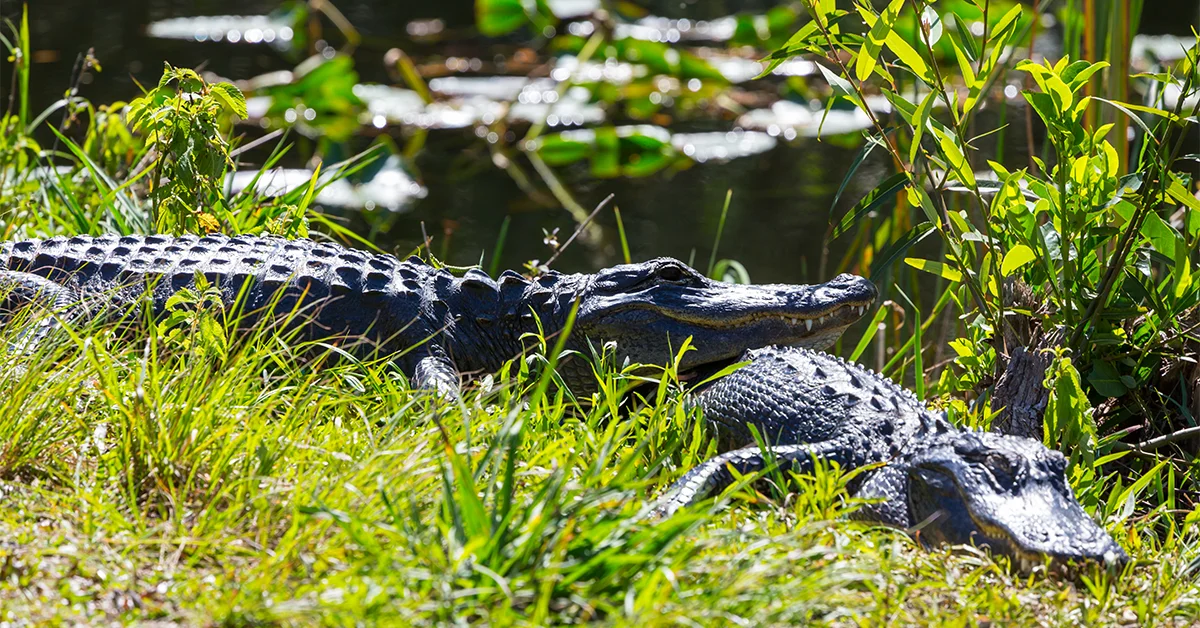
This is why a frog’s soft, permeable skin works perfectly for the damp rainforest floor, while a crocodile’s tough, armor-like hide is ideal for swamps full of predators and extreme sun exposure.
Different environments demand different solutions — and nature always finds a way.
Soft Skin: Nature’s Flexible Design
Soft-skinned animals might seem delicate at first glance, but their skin often gives them unique advantages. While it doesn’t offer the same physical protection as a tough hide, it can provide flexibility, sensitivity, and adaptability in ways a hard shell cannot.
Enhanced Sensitivity
Soft skin is often loaded with nerve endings. This makes animals like frogs, mammals, and certain fish incredibly responsive to touch, heat, moisture, and movement.
This sensitivity helps them:
- Detect predators
- Sense changes in weather
- Navigate complex environments
- Find mates or food
Soft skin acts like a finely tuned communication tool between the animal and the world around it.
Better Thermoregulation
Many soft-skinned creatures — including humans — rely on their skin to help regulate body temperature. Sweat glands, pores, and the ability to lose heat quickly through the skin all contribute to maintaining stable internal temperatures.
Efficient Respiration and Absorption
Amphibians are the perfect example. Frogs and salamanders can breathe through their skin, absorbing oxygen directly from their environment. This wouldn’t be possible with a thick, armored hide.
Flexibility and Movement
Soft skin allows for stretching, bending, and twisting with ease. For animals that climb, leap, squeeze into tight spaces, or move quickly, a flexible outer layer offers a major advantage.
From Soft To Tough: The Evolutionary Journey
Over time, animals that faced harsh conditions — scorching heat, predators, or abrasive environments — began developing tougher skin. Evolution favored those with extra layers, hardened surfaces, or protective scales. This transition wasn’t random; it was nature’s answer to survival challenges.
Here’s how animals moved from soft coverings to tougher hides:
- Increased keratin production (the same protein in human nails and hair)
- Thickening of outer skin layers
- Development of scales, plates, or armor
- Formation of protective patterns and textures
Each adaptation helped reduce vulnerability and increase survival odds.
Leathery Hides: Nature’s Heavy-Duty Armor
When we think of tough animals, creatures like elephants, rhinos, crocodiles, and tortoises come to mind. Their thick, leathery skin acts as a natural suit of armor — but it does much more than offer protection.
Let’s take a closer look at why leathery hides evolved and how they help animals thrive.
Defense Against Predators
Thick hides make it harder for predators to bite or pierce the skin. Crocodiles, for example, have osteoderms — bony plates embedded within the skin — that act like built-in armor.
Protection From Harsh Environments
Animals living in rough habitats often develop tougher skin to withstand:
- Intense UV radiation
- Dry, arid climates
- Scratching branches
- Rocky terrain
- Saltwater exposure
Elephants have incredibly thick, wrinkled skin that helps them retain moisture and avoid sunburn.
Reduced Water Loss
Desert animals like reptiles rely on tough, scaly skin to keep moisture locked in. Their hides are designed to prevent dehydration in extremely dry environments.
Support During Aging
As some animals grow larger — like rhinos and elephants — thick skin supports their massive bodies and helps distribute pressure.
Reptiles: The Masters Of Leathery Evolution
Reptiles represent one of the best examples of nature shifting from soft skin to tough protective layers. Their signature feature? Keratinized scales.
These scales evolved to:
- Stop water loss
- Protect against sharp rocks and predators
- Allow movement while maintaining toughness
- Help regulate temperature through coloration
Whether it’s a snake slithering across abrasive desert sand or a turtle roaming the ocean floor, their leathery skin is perfectly engineered for survival.
Birds: Feathers As An Evolutionary Skin Upgrade
Birds are especially interesting because their feathers actually evolved from reptilian scales. Feathers offer incredible advantages:
- Lightweight insulation
- Aerodynamic performance
- Protection from rain and UV rays
- Colorful displays for mating and camouflage
Underneath all those feathers lies skin tough enough to support high-speed flight and temperature regulation.
Mammals: A Range Of Skin Adaptations
Mammals display the widest variety of skin types — from the ultra-soft skin of humans to the armor-like hide of a hippopotamus.
Soft-Skinned Mammals
Human skin, though soft, is extremely adaptable. It heals, stretches, grows, sweats, and changes with the environment. Other mammals like cats, dogs, and primates also rely on their softer skin for sensitivity and flexibility.
Tough-Skinned Mammals
Animals like:
- Elephants
- Rhinos
- Hippos
- Armadillos
…evolved thicker, tougher skin for protection and environmental endurance. Some even developed natural armor plates beneath their skin.
Amphibians: The Delicate Survivors
Amphibians may have some of the softest skin in the animal world, but their survival depends on it. They use it for breathing, absorbing moisture, and sensing their surroundings.
However, this softness also makes them vulnerable to pollution, climate change, and habitat loss — a reminder that even successful adaptations come with trade-offs.
The Balance Between Soft And Tough
Nature doesn’t choose one type of skin over the other randomly. Both soft skin and leathery hides offer essential benefits depending on the species’ needs.
Soft skin advantages:
- Sensitivity
- Flexibility
- Temperature regulation
- Moisture absorption or gas exchange
Leathery hide advantages:
- Protection
- Water conservation
- Durability
- Defense against predators
Every type of skin is a carefully crafted evolutionary solution to the challenges of life.
The Role Of Environment In Skin Evolution
Habitat plays one of the biggest roles in determining whether an animal’s skin stays soft or becomes armored.
Desert Environments
Require moisture retention → reptiles with tough, scaly skin.
Rainforests
Favor flexible, breathable skin → amphibians and many mammals.
Savannas and Grasslands
Demand durability → elephants, rhinos, and antelopes.
Aquatic Habitats
Lead to sleek, smooth skin → dolphins, whales, and some fish.
Rocky or Predatory Zones
Encourage armor-like development → crocodiles, armadillos, turtles.
Nature adapts skin based on whatever helps the species survive best.
Humans And Skin Adaptation
Human skin has also evolved over time. Early humans developed varying levels of melanin to protect themselves from the sun in different parts of the world.
Though our skin is softer than many animals’, it remains incredibly adaptive and responsive — capable of healing, sweating, stretching, and protecting in countless ways.
Why Skin Adaptations Matter Today
Understanding how animals adapt their skin helps researchers study:
- Climate change impacts
- Environmental health
- Medical treatments inspired by animal biology
- Conservation strategies for endangered species
Nature’s solutions often inspire human innovation — from waterproof materials to flexible armor designs.
Conclusion
From soft, delicate skin to thick, leathery hides, nature’s adaptations are nothing short of extraordinary. Each species evolves the perfect skin for its environment, challenges, and lifestyle. These transformations remind us how creative and resilient life can be.
Whether it’s the sensitivity of amphibian skin, the armor of reptiles, or the massive hides of giants like elephants, every adaptation tells a story — a story of survival, transformation, and the powerful influence of nature itself.
The next time you look at an animal, imagine the millions of years of evolution that shaped its skin. From soft beginnings to tough defenses, nature always finds a way to thrive.
ALSO READ: Are You Ready Outsiders DC 10: What To Expect Next
FAQs
What is a leathery hide in animals?
A leathery hide is a thick, tough outer skin made of dense layers of collagen and keratin. It helps protect animals from predators, extreme weather, and environmental challenges.
Why do some animals have soft skin instead of tough skin?
Soft skin offers flexibility, sensitivity, and in some cases, the ability to breathe through the skin. Animals in moist or less hostile environments often benefit from softer skin.
How do reptiles develop their scales?
Reptile scales form from hardened keratin. Over time, evolution shaped these scales to prevent water loss and protect against harsh environments.
Can animals change their skin type over generations?
Yes. Over long periods of evolution, species can develop thicker or thinner skin depending on environmental pressures and survival needs.
Do birds still have reptile-like skin under their feathers?
Yes. Birds have underlying skin that resembles reptilian skin, because feathers originally evolved from ancient reptile scales.